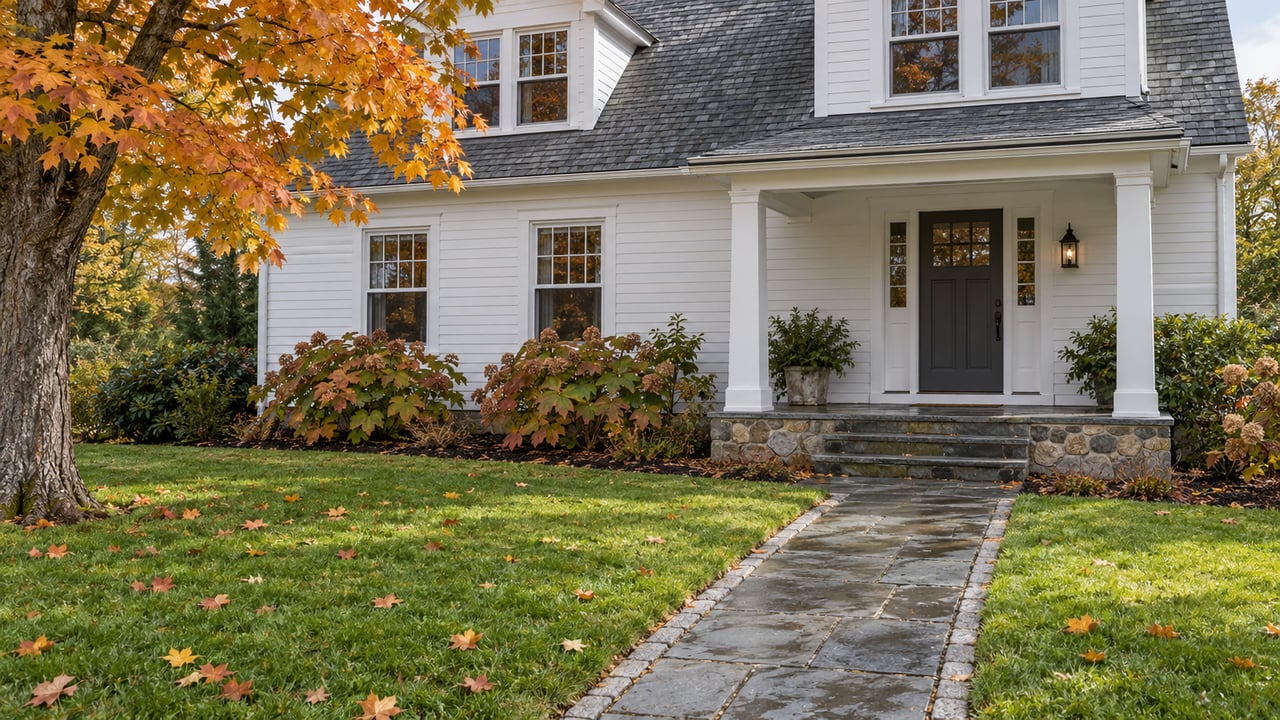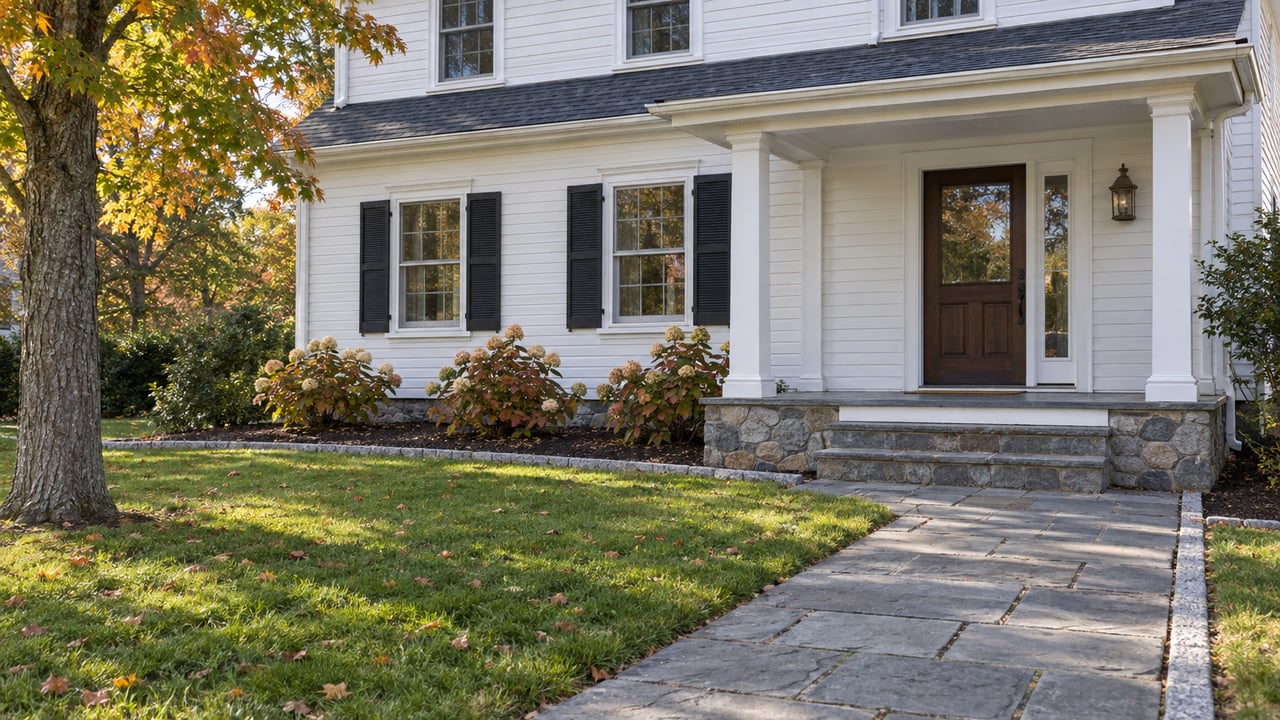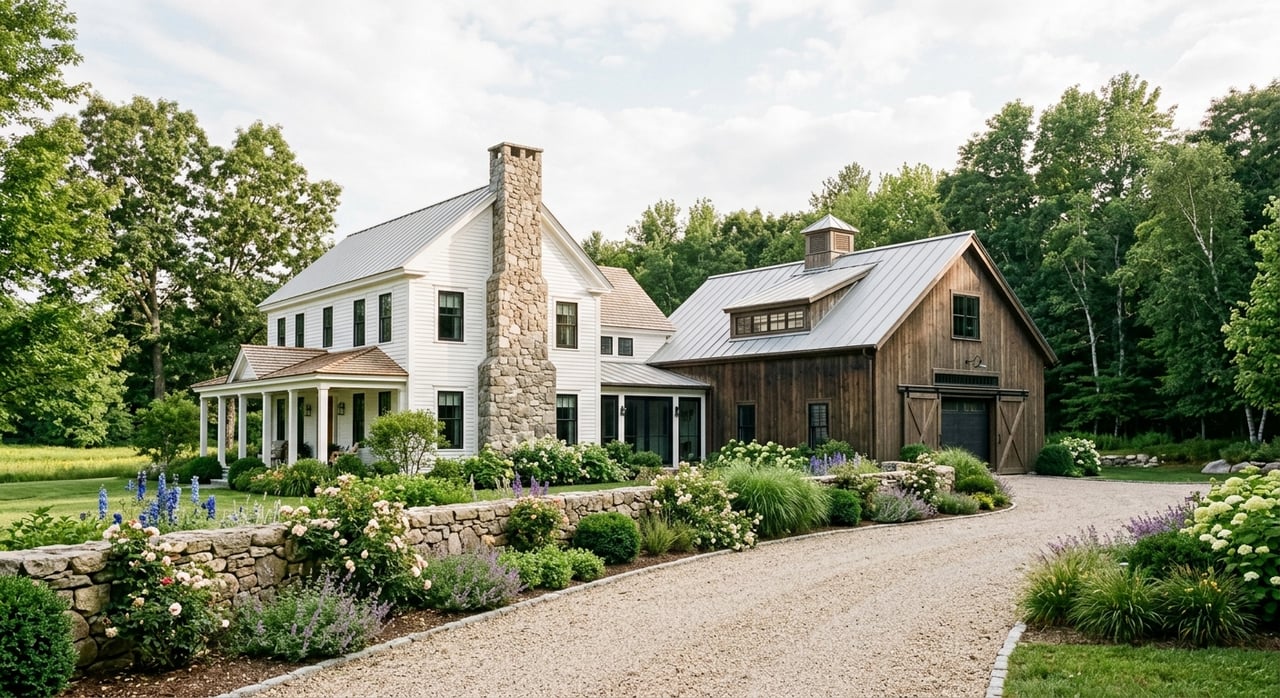
Dreaming of a farmhouse with acreage in the Berkshires? In Sheffield, that picture can be very real, but buying land or a farm-style home here takes more than falling in love with a porch view or open meadow. You need to understand how zoning, septic, wetlands, access, and long-term land use can shape what you can actually do with a property. If you want a clearer path to buying with confidence, this guide will walk you through the local facts that matter most. Let’s dive in.
Why Sheffield Appeals to Land Buyers
Sheffield has a distinctly rural development pattern shaped by the Housatonic River, its wide floodplain, the Schenob Brook wetland complex, and the steep slopes of the Berkshire Hills and Taconic Range. The town also notes that much of Sheffield remains open and in agricultural production, which helps explain why many farm-style properties come with meaningful acreage.
That matters if you are searching for a classic Berkshire farmhouse, a property with a barn, or land for a more private lifestyle. In Sheffield, farm-style homes are often tied to open land and multi-acre settings rather than smaller suburban-style lots.
Town planning materials also indicate that new residential lots are often much larger than the minimum zoning requirement. In the seasonal and second-home segment, the median lot size has been noted as more than 9 acres, which reinforces how common larger parcels are in this market.
What “Farm-Style” Often Means Here
In Sheffield, “farm-style home” can mean a few different things. It may describe an older farmhouse with open acreage, a rural home with barns or sheds, or a house with enough land for gardening, small-scale agricultural use, or simply more space and privacy.
The key point is that the value of these properties often extends beyond the house itself. You are usually evaluating the land, outbuildings, site systems, access, and use flexibility just as much as the main residence.
That is especially important for second-home buyers and out-of-area purchasers. A beautiful field or detached barn can add a lot of appeal, but the practical details behind those features deserve just as much attention.
Know the Basics of Sheffield Zoning
Sheffield’s Rural District is intended primarily for personal residence, agriculture, forestry, conservation, recreation, and open-space maintenance. That broad rural framework can support the kind of property many buyers want, but it does not mean every parcel works the same way.
For a single-family lot in the Rural District, the general minimum is 1 acre and 100 feet of frontage. Where public water is available, the minimum lot area can drop to one-half acre.
Those minimums are only the starting point. A parcel may look large enough on paper but still face limitations related to frontage, overlays, drainage, wetlands, or site conditions.
Outbuildings Are a Real Local Advantage
One useful local fact for buyers is that Sheffield allows accessory structures by right in all districts. That includes garages, stables, barns, tool sheds, farm buildings, and enclosures.
If you want a workshop, storage for equipment, a hobby barn, or flexible utility space, this can make Sheffield especially attractive. Still, it is wise to confirm the specifics of any existing structure and whether your intended use aligns with local rules.
ADUs Can Support Long-Term Flexibility
Accessory dwelling units can be an important feature if you are planning for guests, extended family, or future flexibility. In Sheffield, ADUs are allowed by right in all districts when they are within or attached to the principal structure, or when they are created in an existing detached accessory structure.
A newly constructed detached accessory ADU requires a Planning Board special permit. The town also limits ADUs to 900 square feet and does not allow them to be used as short-term rentals.
Why Two Similar Parcels May Be Very Different
One of the biggest surprises for land buyers is that two properties with similar acreage can have very different buildability. Sheffield’s Water Supply Protection District adds another layer of review in certain areas, including Zone I and Zone II parcels.
For Zone I parcels, the minimum lot size must be the larger of the underlying district minimum or 2 acres. In practical terms, overlay status and water-supply constraints can change what a buyer can build or modify, even when the land appears similar from the road.
This is why early due diligence matters. Before you assume a field can support a future home site, guest space, or subdivision plan, it is smart to review the parcel with the appropriate local boards and records.
Septic, Wells, and Utilities Matter More Here
Sheffield’s housing planning documents make an important point: the town has no sewage system, only a limited area served by public water, and homes generally require their own septic systems. Outside the private water company service area, many homes also need their own wells.
For buyers, this means rural infrastructure is not a side note. It is a central part of evaluating both vacant land and existing farm-style homes.
Massachusetts DEP says septic systems should be inspected when a home is bought or sold, and the buyer must receive a copy of the inspection report. For homes with private wells, MassDEP recommends that prospective buyers test the water before purchase.
If a property has an innovative septic system, buyers should also request the inspection report and understand ongoing maintenance obligations before signing. On larger rural parcels, it is also helpful to know the exact location of the septic system and drain field and to keep records of inspections, pumpings, and repairs.
Wetlands and Floodplain Review Can Affect Plans
Because Sheffield’s landscape includes river corridors, wetlands, and low-lying areas, environmental review is often part of the process. This is especially relevant near the Housatonic River and Schenob Brook.
The Sheffield Conservation Commission handles work such as septic installs and repairs, tree cutting, earth disturbance, and drainage changes near wetlands, flood plains, river banks, marshes, swamps, and other resource areas. The commission also notes that a significant amount of Sheffield’s wetlands lies within the Schenob Brook Drainage Basin ACEC.
That means land that looks open and usable may still require review before certain improvements can move forward. If a parcel includes fields near water or low areas, flood-zone verification is also an important step in your early research.
Access and Driveways Deserve Early Attention
A long scenic approach can be part of the appeal of buying in Sheffield, but access needs to be evaluated carefully. The town requires a Board of Selectmen permit for any new curb cut or driveway off a town road.
That makes driveway placement, sight lines, and road access part of your initial due diligence. If you are buying land for new construction or considering changes to an existing entrance, this is something to review early rather than later.
Access is also important if you hope to subdivide in the future. Sheffield’s subdivision rules require approval for subdivisions and focus in part on whether each lot fronts on a public way, an approved way, or another way the Planning Board finds adequate.
Frontage Can Matter as Much as Acreage
If your long-term plan includes creating another buildable lot, acreage alone may not be enough. Frontage and adequate access often play just as important a role.
The town’s subdivision rules also state that not more than one dwelling building may be placed on a lot without Planning Board consent and adequate access. For buyers thinking ahead, this is one of the most important reasons to evaluate a parcel based on future use, not just present appearance.
Right to Farm Is Part of the Sheffield Lifestyle
If you are drawn to Sheffield because it feels rural and agricultural, it is worth understanding that local farming activity is actively recognized by the town. Sheffield’s Right to Farm bylaw treats farming as a valued activity and notes that agricultural operations may involve noise, odors, dust, and similar effects.
For many buyers, that is part of the charm and reality of living in a working rural landscape. It also means you should go in with clear expectations if you are buying near fields, barns, or active agricultural operations.
The bylaw also asks sellers and agents to provide written notice to prospective buyers about these conditions. That makes Right to Farm not just a cultural detail, but a practical part of the transaction process.
Winter Ownership Is Worth Planning For
Seasonal and second-home buyers sometimes focus on summer beauty and fall color, but winter logistics matter too. Sheffield’s snow-plowing guidance states that plowing may begin once snow accumulation reaches 2 inches or more.
If a property has a long driveway, you will want to think through plowing, snow storage, and ease of access. The town’s mailbox guidance also warns owners to place mailboxes far enough from the road to avoid damage from snowplows.
These details may seem small during a showing, but they can become a meaningful part of ownership costs and day-to-day convenience. For rural homes, practical access is part of the property’s value.
Tax Programs May Matter for Larger Parcels
If you want land to remain in agricultural or forest use, Massachusetts Chapter 61A and Chapter 61 may be relevant. According to the state’s program guide, Chapter 61A generally requires at least 5 acres in agricultural use for 2 years, while Chapter 61 forestland generally requires 10 acres in active forest management.
These programs can affect how land is classified and may carry rollback taxes if the land is withdrawn or converted. If you are buying substantial acreage with long-term plans for farming or forestry, this is worth discussing early in your due diligence.
A Smart Sheffield Buying Checklist
When you are comparing land or farm-style homes in Sheffield, keep your review focused on the issues that shape long-term value and usability.
- Confirm zoning district, lot size, and frontage
- Check for overlay districts or water-supply protection limits
- Review septic inspection records and well information
- Verify wetlands, floodplain, and conservation constraints
- Ask about driveway permits, access, and winter maintenance
- Evaluate barns, sheds, and other outbuildings for current use
- Understand Right to Farm expectations nearby
- If future subdivision is a goal, review frontage and Planning Board requirements early
Why Local Guidance Helps
Buying rural property in Sheffield is often more layered than buying a standard in-town house. The house, the land, the site systems, and the town regulations all work together, and each piece can affect your plans.
That is where thoughtful local guidance can make a real difference. When you understand the practical side of acreage, outbuildings, zoning, and environmental review before you commit, you can move forward with much more confidence.
If you are considering land or a farm-style home in Sheffield, working with a Berkshire advisor who understands how these properties function on the ground can help you ask better questions and avoid costly surprises. When you’re ready to explore your options, schedule a consultation with Diane Thorson.
FAQs
What should you check before buying land in Sheffield, MA?
- You should review zoning, frontage, driveway access, septic and well needs, wetlands or floodplain constraints, and whether your intended use fits local rules.
Are barns and other outbuildings allowed in Sheffield?
- Yes. Sheffield allows accessory structures such as garages, stables, barns, tool sheds, farm buildings, and enclosures by right in all districts.
Do Sheffield farm-style homes usually come with large lots?
- Often, yes. Town planning materials indicate that new residential lots are typically much larger than minimums, and the seasonal or second-home market has had a median lot size of more than 9 acres.
Do you need to inspect a septic system when buying a home in Sheffield?
- Yes. Massachusetts DEP says septic systems should be inspected when property is bought or sold, and the buyer must receive a copy of the inspection report.
Can you add an ADU to a property in Sheffield?
- In many cases, yes. Sheffield allows ADUs by right in all districts when they are attached, within the main structure, or created in an existing detached accessory structure, while a newly built detached ADU requires a special permit.
What does Sheffield’s Right to Farm bylaw mean for buyers?
- It means farming is a recognized local activity, and buyers should expect possible noise, odors, dust, and similar impacts associated with agricultural operations.