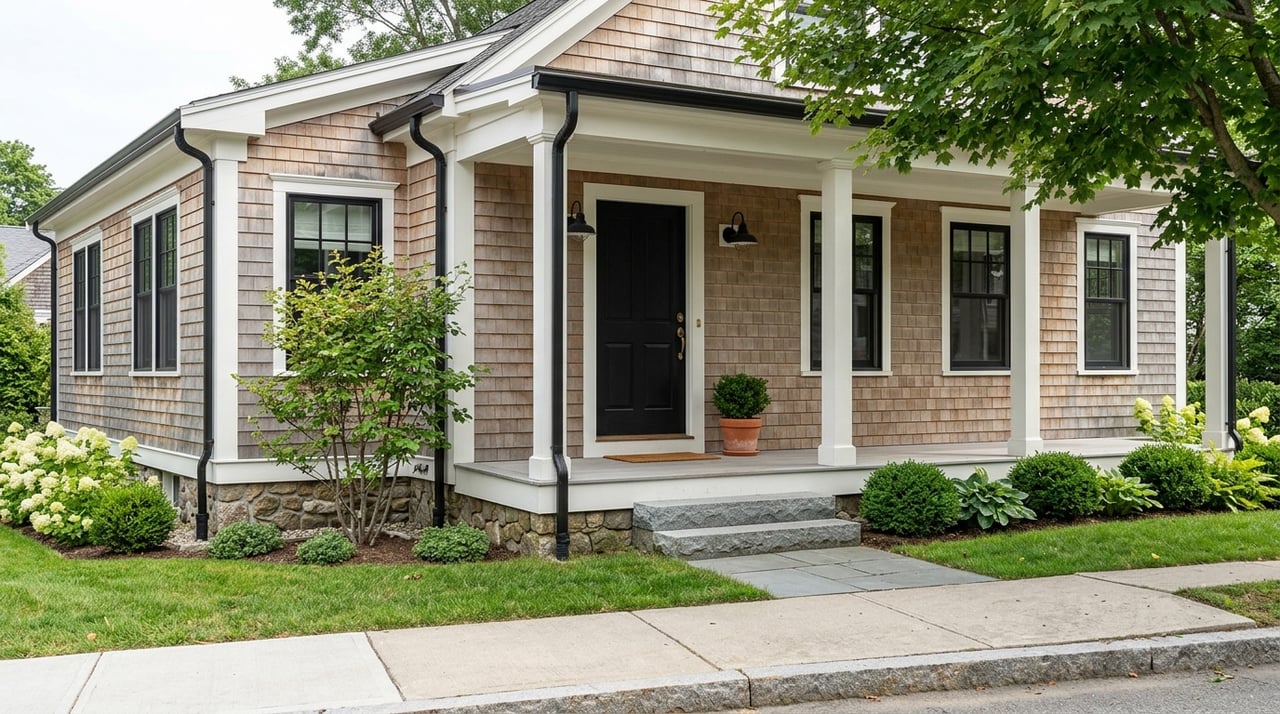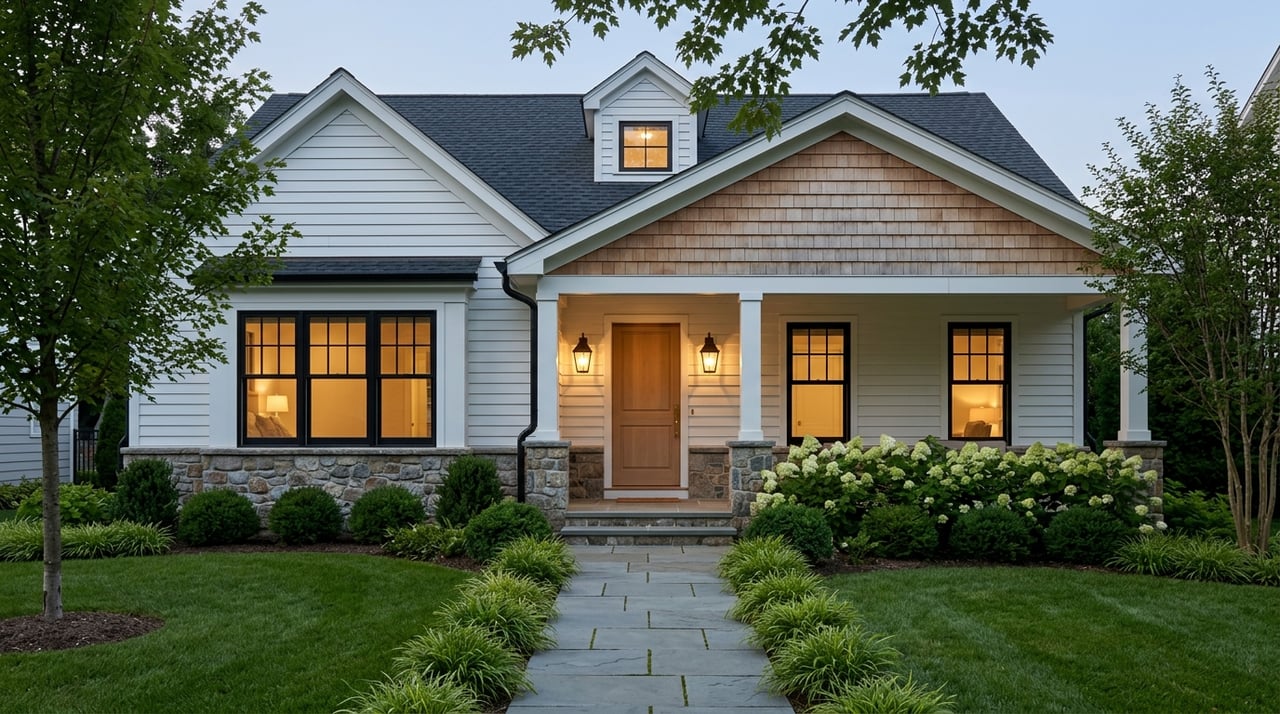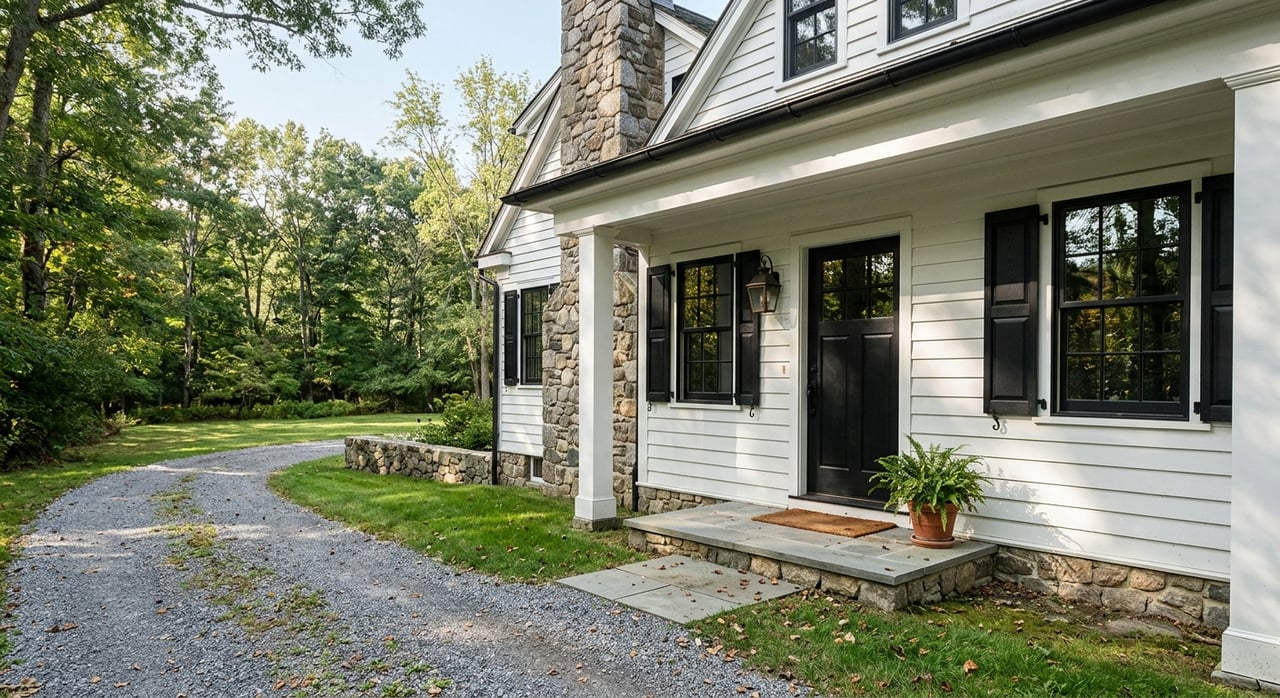
Dreaming about a place where the pace slows down, the road gets quieter, and your house feels connected to the land around it? Richmond may be exactly the kind of Berkshire retreat you have in mind. But buying in a rural market is different from buying in a neighborhood with public utilities and simple lot lines. If you are thinking about a country retreat in Richmond, this guide will help you understand what makes the town appealing, what to look for in a property, and which details deserve close attention before you move forward. Let’s dive in.
Why Richmond appeals to retreat buyers
Richmond is a small rural town in west-central Berkshire County, bordered by Hancock, Pittsfield, Lenox, Stockbridge, West Stockbridge, and Canaan, New York. Town planning documents describe it as a pleasant rural community that became a destination for summer and seasonal residents and is now mostly a residential community in a forested landscape. For you as a buyer, that often means more privacy, more land, and a quieter setting than you would typically find in a suburban market.
The town’s zoning goals also support that rural identity. Richmond’s bylaw emphasizes preserving scenic beauty, brooks, ponds, wetlands, water resources, and agriculture. That matters because in Richmond, the setting is often as important as the house itself.
What the housing stock looks like
If you picture detached homes on larger parcels, that picture is mostly accurate. Housing MA reports that 97% of Richmond’s housing units are single-family homes. Only a small share of the housing stock is in two- to four-family or larger multi-unit buildings.
Richmond also has an older housing base. According to Housing MA, 19% of units were built before 1939, 20% from 1940 to 1959, 37% from 1960 to 1979, and just 4% since 2000. That can be part of the charm, but it also means you should be ready to look closely at maintenance, heating, updates, and infrastructure.
Recent permit activity suggests a market shaped more by ongoing improvements than large waves of new construction. Richmond’s 2024 town report noted 122 building permits, including 4 new homes, 16 additions, 14 renovations, 15 solar projects, and 24 accessory buildings. In practical terms, many buyers will be choosing among existing homes that have been updated over time rather than brand-new inventory.
Lot size matters, but layout matters too
One of the biggest mistakes buyers can make in a rural market is assuming acreage tells the full story. In Richmond, zoning district rules vary, and the usable value of a parcel often depends on frontage, width, setbacks, access, and environmental constraints.
The zoning bylaw shows different minimum lot areas by district. For example, the RA-A district has a minimum lot area of 1/4 acre with 100 feet of frontage, while the RA-C district requires 2.5 acres with 250 feet of frontage. The SR district requires 1/4 acre with 50 feet of frontage.
That means two properties with similar acreage may offer very different possibilities. A parcel may look generous on paper but still be limited by its shape, frontage, or site conditions. If you are considering future changes such as an addition, accessory building, or driveway reconfiguration, those details become especially important.
Rural infrastructure changes the buying process
In Richmond, country property shopping often includes more than evaluating square footage and finishes. The town’s site planning requirements reflect the realities of rural infrastructure. Plans may need to show lot size, frontage, buildings, septic, well, wetlands, streams, ponds, access roads, driveways, parking areas, and other site improvements.
For you, that means the land and systems deserve careful review from the start. A beautiful house can lose some of its appeal if the access is complicated, the well records are unclear, or the septic system raises questions. In a town like Richmond, due diligence is not an extra step. It is part of understanding the property.
Wells and septic deserve early attention
Water and wastewater are two of the most important issues in a rural Berkshire purchase. Massachusetts says local Boards of Health regulate private wells, and Richmond’s Board of Health requires a permit and plan for well construction, a licensed well driller, lab testing, and a Water Supply Certificate. That tells you how seriously these systems are treated at the local level.
If a home has a private well, ask for recent test results. MassDEP recommends periodic water testing for private well owners, and it is wise to understand the history and condition of the system before closing.
Septic systems require the same level of care. Richmond requires a disposal-system construction permit, Title 5 compliance, inspection before final cover, as-built drawings, and a Certificate of Compliance. MassDEP also states that septic inspections for a sale are generally required within 2 years before transfer, or up to 6 months after if weather prevents inspection.
Ask these septic and well questions
Before you get too far into a Richmond purchase, make sure you ask for:
- The most recent Title 5 septic inspection
- Any septic pumping history
- Permit and compliance records from the town
- Recent private well test results
- Any Board of Health requirements that may apply to the property
These are not minor details. They can affect your budget, your timeline, and your confidence in the purchase.
Road access and winter conditions matter
A country retreat can feel peaceful in July and much more complicated in January if access is not what you expected. In Richmond, it is important to confirm whether a road is public, private, or shared. Massachusetts law treats private ways separately, and Richmond’s zoning also notes that private streets can count as frontage only for lots within an approved subdivision.
There is another detail many buyers miss. Richmond’s bylaw states that common driveways cannot be used to satisfy frontage requirements. So if a parcel seems straightforward on a listing sheet or map, it is worth verifying whether the legal access truly supports your intended use.
You should also ask practical questions about winter maintenance. Find out:
- Who plows the road or driveway
- Who pays for maintenance and repairs
- Whether there is a written road or easement agreement
- How the property is typically accessed during snow and ice events
For second-home and seasonal buyers especially, clear answers here can prevent major headaches later.
Seasonal ownership is part of the story
Richmond has long had a seasonal-home component. A 2003 community development plan said nearly 20% of homes were seasonal. Even if you plan to live in your property full-time, that history helps explain why winterization, heating costs, and off-season maintenance should be part of your thinking.
Older homes in rural settings can cost more to occupy, especially when heating systems, insulation, and ongoing upkeep have not been updated recently. If you are buying a retreat property, think beyond the purchase price. You will want a realistic picture of year-round carrying costs and the work needed to keep the home comfortable and protected.
Environmental limits can shape future plans
Part of Richmond’s appeal is its natural setting, but that same setting can affect what you are allowed to do with a property. The zoning bylaw includes flood-prone area and wetland regulations, along with stream-and-pond protection rules. So if you are imagining a future barn, pool, larger patio, new driveway, or home expansion, do not assume the land will support it without review.
This is where parcel-by-parcel analysis matters most. Wet areas, setbacks, and protected features can reduce the buildable or usable portion of a lot. A property may still be a great fit, but only if your plans align with the site.
A smart Richmond due diligence checklist
If you are serious about buying a country retreat in Richmond, these are some of the most important items to verify before you commit:
- Confirm the zoning district for the parcel
- Check the minimum lot area and frontage requirements
- Ask whether the lot has any nonconforming status
- Verify whether access is public, private, or shared
- Review responsibility for plowing, grading, and repairs
- Request the latest Title 5 inspection and septic records
- Ask for recent well test results
- Check for wetlands, flood-prone areas, or stream and pond setbacks
This kind of preparation is especially important in Richmond because the town rewards buyers who look carefully at the land, not just the listing photos.
Richmond’s lifestyle advantage
For many buyers, Richmond offers a compelling balance. You get a quieter, lower-density setting, strong rural character, and the privacy that many Berkshire retreat buyers want. At the same time, town planning documents place Richmond near Lenox and Pittsfield, which helps support access to the broader Berkshire region.
That combination can be hard to find. If you want a home that feels tucked away but still connected to Berkshire destinations, Richmond deserves a close look. You just want to approach the process with clear eyes and good local guidance.
Buying a country retreat in Richmond is rarely just about the house. It is about the parcel, the systems, the road, the seasonality, and how all of those pieces fit your goals. With thoughtful due diligence and a local advisor who understands Berkshire properties, you can move forward with much more confidence. If you are exploring Richmond or other Berkshire towns, Diane Thorson can help you evaluate properties with a practical, local perspective.
FAQs
What makes Richmond, MA appealing for a country retreat?
- Richmond is a small rural Berkshire town known for a forested landscape, detached homes, privacy, and a setting shaped by scenic and environmental protections.
What should buyers check before buying land or a home in Richmond?
- You should confirm zoning, lot area, frontage, access, septic records, well test results, and any wetlands or flood-prone conditions that could affect use of the property.
Are most homes in Richmond single-family houses?
- Yes. Housing MA reports that 97% of Richmond’s housing units are single-family homes.
Do Richmond homes often have private wells and septic systems?
- Many rural properties require careful review of private well and septic systems, and Richmond’s local rules include permits, testing, inspections, and compliance requirements.
Why does road access matter so much for Richmond properties?
- In a rural market, public, private, and shared access can affect legal use, maintenance obligations, winter plowing, and overall convenience.
Is Richmond a good fit for seasonal or second-home buyers?
- Richmond has a long history of seasonal-home ownership, so it can be a strong fit for retreat buyers who are prepared to plan for winterization, maintenance, and rural property systems.