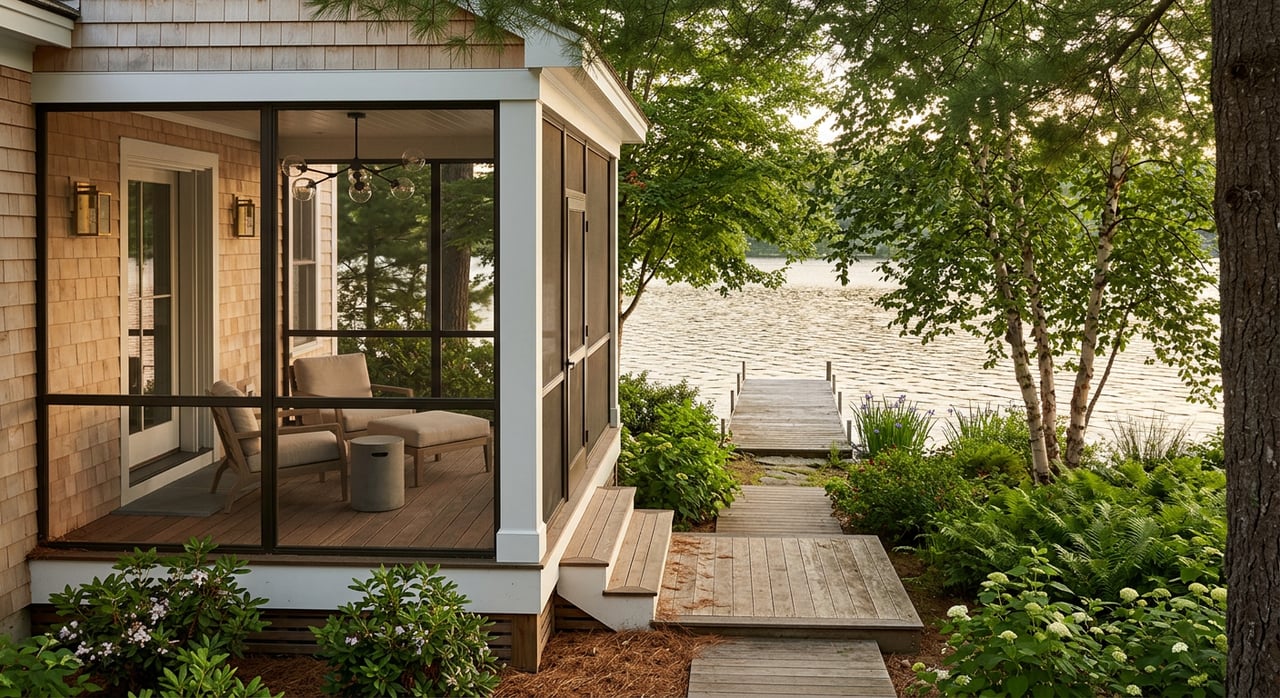
Picture your morning coffee on a quiet dock, mist lifting off the water, and your paddleboard ready to go. If you are considering a lakefront or river-adjacent home around Lee, you are not alone. The Berkshires offer a rare blend of recreation and natural beauty, but waterfront also comes with unique questions. In this guide, you will learn where to look, what to expect, and how to do smart due diligence so you can buy with confidence. Let’s dive in.
Where to find waterfront
Laurel Lake
Laurel Lake straddles Lee and Lenox and is often described as about 170 acres. It has a resident Sandy Beach area, a public boat launch on Route 20, and active lake management that includes annual drawdowns and invasive plant control. Town planning documents note organized preservation efforts and ongoing studies that guide management decisions. You can confirm amenities and management details in the town’s open space and recreation planning materials on Lee’s website, and get a feel for the public beach experience at Sandy Beach on Laurel Lake.
What this means for you: Laurel Lake offers convenient access, summer-friendly amenities, and an involved community. Drawdowns can affect late-season dock depth and boat access, so factor seasonal changes into your plans and equipment choices.
Goose Pond (Upper and Lower)
Together, Upper and Lower Goose Pond cover roughly 225 acres in local descriptions. Lower Goose Pond has a public access ramp, while Upper Goose Pond is largely wilderness shoreline with adjacent land managed or protected by The Trustees, near the Appalachian Trail. The water here is known for clear, cool conditions and a more remote feel. See the overview and stewardship context in the town’s planning references on Lee’s website.
What this means for you: Expect a quieter, more natural experience with quick access to hiking. Shoreline rules and conservation oversight can be part of the picture, so verify any existing docks or structures and their permits.
Housatonic River and Woods Pond
The Housatonic River flows through Lee, with Woods Pond forming a wider, dam-impounded reach used for paddling and scenic enjoyment. This corridor also carries a long history of PCB contamination downstream of former industrial operations. There is an active, long-term cleanup program with public meetings and project updates. You can follow current remedial design and construction updates through the EPA’s Housatonic River site.
What this means for you: Riverfront can be beautiful and accessible for boating, but fish-consumption advisories and cleanup work are part of responsible ownership. Always check current guidance and ask targeted questions during due diligence.
Waterfront living realities
Common home features
- Shoreline lawns or stone edges, sometimes with vegetated buffers for stability and habitat.
- Private or shared docks, seasonal floats, small boathouses, and lifts.
- Narrow lakeside roads or shared driveways, plus private wells and on-site septic in many areas.
- Older homes may have legacy septic designs that need evaluation or upgrades.
Lifestyle benefits
- Easy launches for kayaks and paddleboards, with short, spontaneous outings.
- Early-morning fishing, scenic views, and relaxed lake swimming.
- Proximity to trail networks and cultural spots across the Berkshires.
- Town beaches and ramps expand recreation options across seasons.
Seasonal and maintenance truths
- Western Massachusetts winters mean ice. Many docks are seasonal or need ice-resistant design.
- Lakes may have management activities, including drawdowns, that shift water levels.
- Budget for dock work, shoreline stabilization, winterization, and vegetation control.
Water quality notes
- Harmful algal blooms can occur in late summer or early fall. The Massachusetts Department of Public Health publishes numeric and visual thresholds for public advisories, including a 70,000 cells/mL action level. Review guidance in the state’s cyanobacteria advisory overview.
- In the Housatonic watershed, historic PCB contamination drives fish-consumption advisories and a formal cleanup program. Follow current public notices and updates through the EPA’s Housatonic resources.
Smart due diligence checklist
Use this checklist to ask the right questions and request documents from the seller, association, and town.
Shoreline ownership and rights
- Ask for a current survey and the deed’s legal description. Confirm who owns the shoreline and whether there are shared rights-of-way or beach rights.
- Request copies of any recorded easements, covenants, or shared beach agreements.
Docks and Chapter 91 licensing
- Many lakes over 10 acres are “great ponds,” which can trigger state Waterways rules. For existing or planned docks, request any recorded Chapter 91 or simplified licenses. Review the process in MassDEP’s Chapter 91 guidance.
Conservation permits and wetlands
- Shoreline work often needs an Order of Conditions from the local Conservation Commission. Request any past Orders and Certificates of Compliance, and confirm the permitting history with the Town of Lee. Start with the town’s Wetlands Protection Act page.
Lake management and drawdowns
- On lakes like Laurel Lake, ask who controls the dam, typical drawdown timing and depth, and whether docks must be removed or adjusted. Town planning documents note an annual drawdown and invasive plant management. You can find context in Lee’s planning resources.
Environmental history and advisories
- On the Housatonic or Woods Pond, ask about any posted advisories, past sampling records, and whether remedial work affects access or use. Stay current through the EPA’s Housatonic River page.
Septic systems and wells
- Request the most recent Title 5 septic inspection. If the system is older or has a conditional pass, get estimates for upgrades and timelines. Review state guidance on inspections and transfers in Massachusetts’ Title 5 overview.
- For private wells, ask for recent water tests, including coliform and nitrates, and check for any local requirements through the Tri-Town Board of Health. See the town’s septic and private well information.
Dock rights and associations
- Clarify whether the dock is private, shared, or governed by a lake association. Request bylaws, boat and mooring rules, fee history, and meeting minutes related to weed control or management plans.
Flood zones and insurance
- Run the address through FEMA’s Map Service Center to see if the property is in a Special Flood Hazard Area. If it is, flood insurance is typically required for federally backed mortgages. Check the parcel’s zone in FEMA’s Flood Map Service Center.
Health and HABs
- Ask whether the lake has experienced cyanobacteria advisories, how often it is monitored, and who posts notices. Cross-check expectations with state advisory guidance.
Practical records to gather
- Deed and recent survey.
- Title 5 inspection and well test results.
- Any Orders of Conditions and Certificates of Compliance.
- Any Chapter 91 licenses or recorded approvals for docks.
- Lake association bylaws, budgets, and project updates.
- Any disclosures about known contamination or cleanup near the property.
Costs, insurance, and financing
- Septic and well: Title 5 outcomes can shape negotiations. If an inspection triggers upgrades, get cost estimates early and understand local timelines for compliance.
- Dock and shoreline: Budget for seasonal dock removal or installation, ice damage repairs, and periodic replacement of floats, lifts, or shoreline stabilization.
- Flood insurance: If a property sits in a mapped flood zone, your lender will likely require coverage. Even outside high-risk zones, waterfront homes can carry higher premiums. Compare NFIP and private quotes, and ask whether an elevation certificate is available.
- Appraisal and comps: True lakefront and riverfront can be scarce, which can make appraisals nuanced. Expect appraisers to weigh shoreline condition, access, septic status, association rules, and any environmental advisories.
Your next step
Waterfront living in the Lee area can be an incredible lifestyle upgrade when you pair it with careful due diligence. You want clarity on permits, systems, and lake management before you fall in love with a view. With local insight, steady communication, and vetted referrals, you can move from research to a confident purchase.
If you are ready to explore Laurel Lake, Goose Pond, or a scenic stretch of the Housatonic, let’s talk about your goals, timing, and budget. For personalized buyer representation, practical valuations, and local guidance from search to close, connect with Diane Thorson. Schedule a consultation and start planning your Berkshire waterfront.
FAQs
What lakes near Lee are best for buyers comparing options?
- Laurel Lake offers resident beach access and active management, while Goose Pond provides a quieter, more wilderness shoreline experience.
How do drawdowns affect Laurel Lake homeowners?
- Seasonal drawdowns can lower water levels and may require adjusting or removing docks, so check schedules and any related rules before you buy.
Do I need a permit for a dock on a great pond?
- Often yes. Many structures over great ponds require a Chapter 91 license or simplified license, so verify recorded approvals for any existing dock.
What should I know about the Housatonic River and Woods Pond?
- The reach through Lee is subject to a long-term PCB cleanup program and fish-consumption advisories, so plan recreation and ownership with current guidance in mind.
How does Title 5 impact a lakefront purchase?
- Most transfers require a recent septic inspection; outcomes can affect timing, costs, and negotiations, especially for older systems.
How can I check if a property is in a flood zone?
- Search the address on FEMA’s Flood Map Service Center to confirm the official zone and likely insurance requirements.