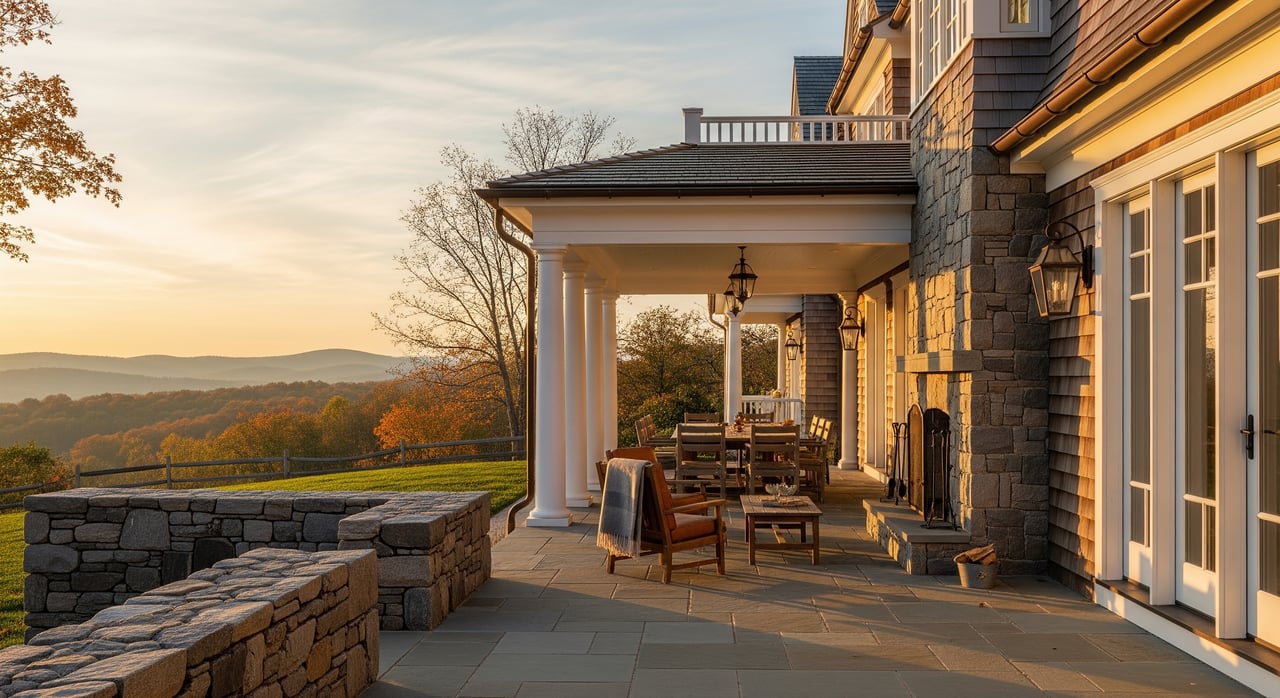
Thinking about a weekend escape you can truly call your own? If Lenox has been on your radar, you are likely drawn to its arts scene, cozy downtown, and calm Berkshire pace. Owning a second home here can be rewarding, as long as you understand the seasons, the homes, and the practical rhythms that come with part‑time living. This guide walks you through lifestyle expectations, property types, costs, and a clear buyer checklist so you can plan with confidence. Let’s dive in.
Why Lenox works for second homes
Lenox is a small New England town with a compact, walkable center surrounded by quiet neighborhoods, country roads, and larger estate lots. It carries a strong arts identity and a welcoming small‑town feel. The year is very seasonal, which shapes how you use a home and when services are most available.
Access is a big draw. Many owners drive from Boston in about 2 to 3 hours, and from New York City in about 3 to 4 hours, depending on route and traffic. Regional airports and changing rail or bus options exist, but most part‑time residents rely on private car travel. If transit is important to you, plan to verify current schedules before you buy.
Seasons at a glance
Summer
Summer is the cultural high point, with Tanglewood acting as the main anchor for concerts and social plans. Restaurants and service providers book up, and Fridays through Sundays are lively. Expect increased traffic and plan reservations and contractor work well in advance.
Fall
Fall foliage brings heavy weekend traffic, especially in October. The energy is festive, with scenic drives and brisk hikes. It can be a strong time for short‑term rental interest if your property allows it.
Winter
Winter is quieter, and that calm is a big part of the appeal. Reliable heating, winterization, and snow services are essential. Some restaurants and shops may reduce hours or close for part of the season.
Spring
Spring is transitional and can include mud season. Local services and hours may be variable, so plan accordingly for early‑season stays and home projects.
Homes you will find
Lenox offers an appealing mix of properties for different lifestyles and budgets:
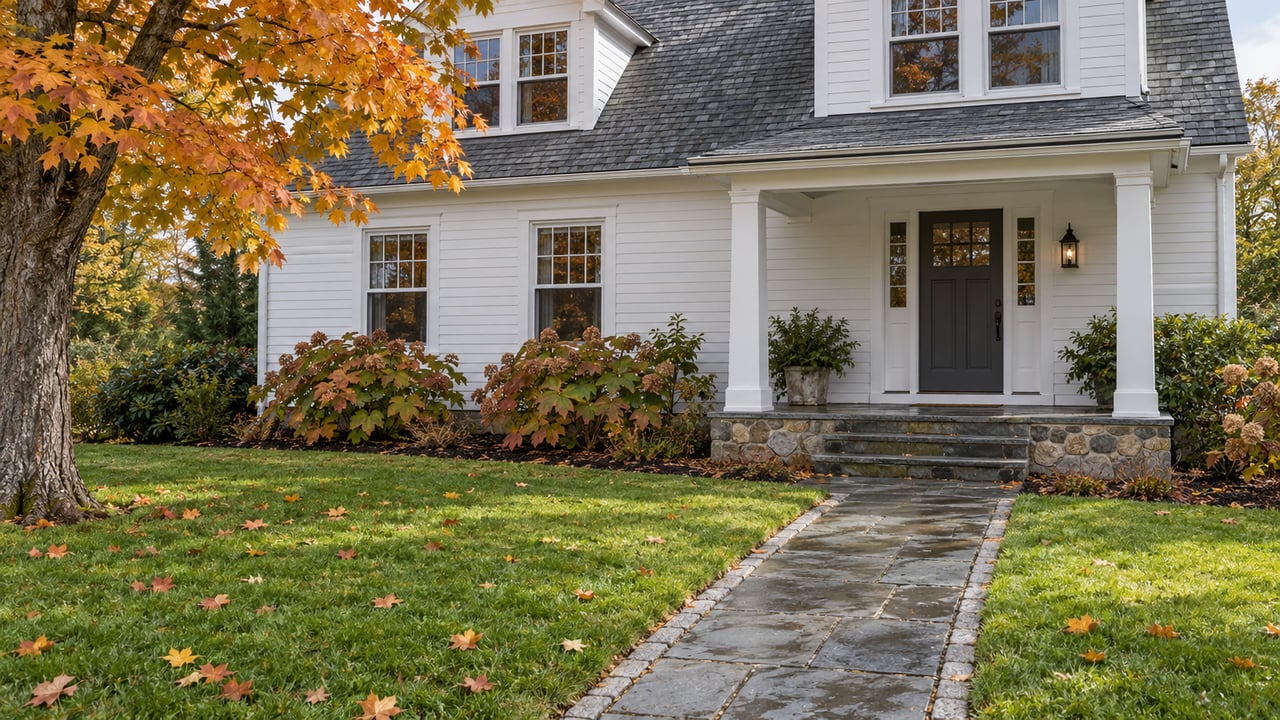
- Historic estates and “summer cottages.” These late‑19th and early‑20th century homes often sit on larger lots with gardens. They deliver character and privacy, and they can require specialized maintenance.
- Year‑round single‑family homes. Colonial, Victorian, Shingle‑style, and classic New England designs appear across in‑town streets and country lanes.
- Condominiums and small communities. Lower‑maintenance options exist, often attractive for lock‑and‑leave use.
Lot sizes range from compact in‑town parcels to multi‑acre wooded or estate properties. Many homes feel tucked away and private, which is part of the Berkshire charm.
Utilities and connectivity
- Water and sewer. Properties close to downtown often have municipal water and sewer. Rural homes more commonly rely on private wells and septic systems. Always verify which applies at a specific address and inspect accordingly.
- Heating fuel. Oil, propane, natural gas where available, and electric heat pumps are all common. Fuel type and system age affect winter costs and maintenance.
- Broadband and cell. Coverage has improved in the region but can vary on wooded or more remote lots. If you work remotely or stream concerts, test speeds and reception before you buy.
Owning part‑time: maintenance basics
Second‑home ownership here is manageable with a clear plan. The key is preparing the house for seasonal use and stretches when you are away.
- Winterization. Keep heat at a safe minimum, insulate plumbing, shut off exterior water lines, and consider draining systems if the home will sit vacant. A smart thermostat and leak sensors can add peace of mind.
- Snow removal. Arrange reliable plowing and de‑icing for driveways and walkways. Make sure providers can access your property during storms.
- Landscaping and trees. Expect seasonal lawn care, leaf removal, and occasional tree work, especially on wooded lots.
- Property checks. Many owners use a local caretaker or property manager to perform routine checks, manage fuel deliveries, respond to emergencies like frozen pipes, and coordinate vendors.
During summer and fall events, and after winter storms, contractor availability can tighten. Book projects early and plan for lead times.
Budget and planning
Every home is different, but there are common expense categories to plan for:
- Property taxes. Town tax rates vary. Confirm the current assessment and rate with the Lenox Assessor before you purchase.
- Insurance. Policies should address seasonal vacancy and the risk of winter freeze damage. Historic features may require specialized coverage. If you plan to rent short‑term, ask about added liability and short‑term rental coverage.
- Utilities and fuel. Heating and winter utilities are major line items. For oil or propane, coordinate tank size, delivery schedules, and access during storms.
- Rentals and local rules. Short‑term rental bylaws vary across Berkshires towns and can change. Confirm current Lenox rules, permits, and local occupancy taxes before forming a rental plan.
If you are considering an older or historic property, expect higher maintenance budgets than newer construction. Part‑time ownership can reduce daily use costs, but it adds specialized items like winterization, property checks, and snow removal.
Which property type fits you
- Historic estate. Best if you value architectural character, gardens, and privacy. Plan for hands‑on maintenance and specialized trades. Potential for standout legacy value.
- In‑town single‑family. Good balance of space and convenience, with easier access to dining and shops. Maintenance depends on age and systems.
- Condo or small community. Ideal if you want lower maintenance and a lock‑and‑leave setup. Review association rules if rentals are part of your plan.
Buyer due diligence checklist
Use this list as a starting point before you make an offer:
- Confirm seasonal access and who maintains the road and driveway, especially plowing in winter.
- Verify water and sewer type. Inspect septic and well systems if applicable.
- Identify the heating system and fuel type. Review age, efficiency, and service records.
- Evaluate insulation, windows, roof, and energy efficiency for winter comfort.
- Consider pest and wildlife exposure, common on wooded lots.
- Check for historic districts or preservation easements that may limit changes.
- Review zoning and short‑term rental rules, including permits, taxes, and occupancy limits.
- Price out insurance for seasonal vacancy and liability needs.
- Test broadband and cell performance at the property.
- Line up reliable local contacts for electrician, plumber, HVAC, landscaper, snow removal, property manager, and a local real estate advisor.
A weekend, imagined
Picture a summer Friday, arriving just in time for a picnic and an evening concert. Saturday starts with a hike, then lunch in town, and a relaxed dinner with friends. On Sunday you enjoy a quiet morning, pack up, and head back feeling reset.
In October, you might spend Saturday chasing color on back roads, then warm up at a favorite restaurant. In winter, the pace slows even more. You read by the fire, take a crisp walk, and tackle a small home project in peace.
Planning to rent when away
Many second‑home owners offset costs with seasonal rentals, often concentrated in summer and foliage months. Revenue can be attractive during peak periods, but it is highly seasonal. Confirm current local bylaws and permitting requirements before you advertise, and build in vacancy, management fees if you use a service, and off‑season gaps when you model income.
Local property management companies can coordinate cleanings, guest turnover, and 24/7 calls. If you take this route, interview providers early. During busy seasons, lead times and availability can be limited.
How a local advisor helps
A second‑home purchase in Lenox benefits from on‑the‑ground knowledge. You want guidance on neighborhood patterns, seasonality, utilities by area, and vendor referrals for inspections and ongoing care. You also want thoughtful pricing advice if you plan to rent and careful negotiation on inspection issues common to older homes.
You get all of that with a client‑first approach backed by elevated marketing when you work with Diane Thorson at William Pitt Sotheby’s International Realty. Diane combines hyperlocal Berkshire expertise, responsive service, and trusted referrals to help you buy with clarity and confidence, then settle into your new routine with ease. Ready to talk through your plan and timing? Connect with Diane Thorson to schedule a consultation.
FAQs
How far is Lenox from Boston and NYC for weekend trips?
- Many owners drive about 2 to 3 hours from Boston and roughly 3 to 4 hours from New York City, with timing varying by route, traffic, and season.
What is winter like for second‑home owners in Lenox?
- Winter is quieter, and reliable heat, winterization, and snow services are essential; some restaurants and shops reduce hours or close part of the season.
How do I manage the house when I am away?
- Many owners hire a caretaker or property manager for routine checks, fuel deliveries, and emergency response, which makes part‑time ownership manageable.
Is internet and cell service reliable at Berkshire homes?
- Coverage has improved regionally but varies by parcel; always test broadband speeds and cellular reception at the specific property before you buy.
Can I rent my Lenox home when I am not using it?
- Often yes, but revenue is seasonal and you must confirm current Lenox short‑term rental rules, permits, insurance, and local occupancy taxes before listing.