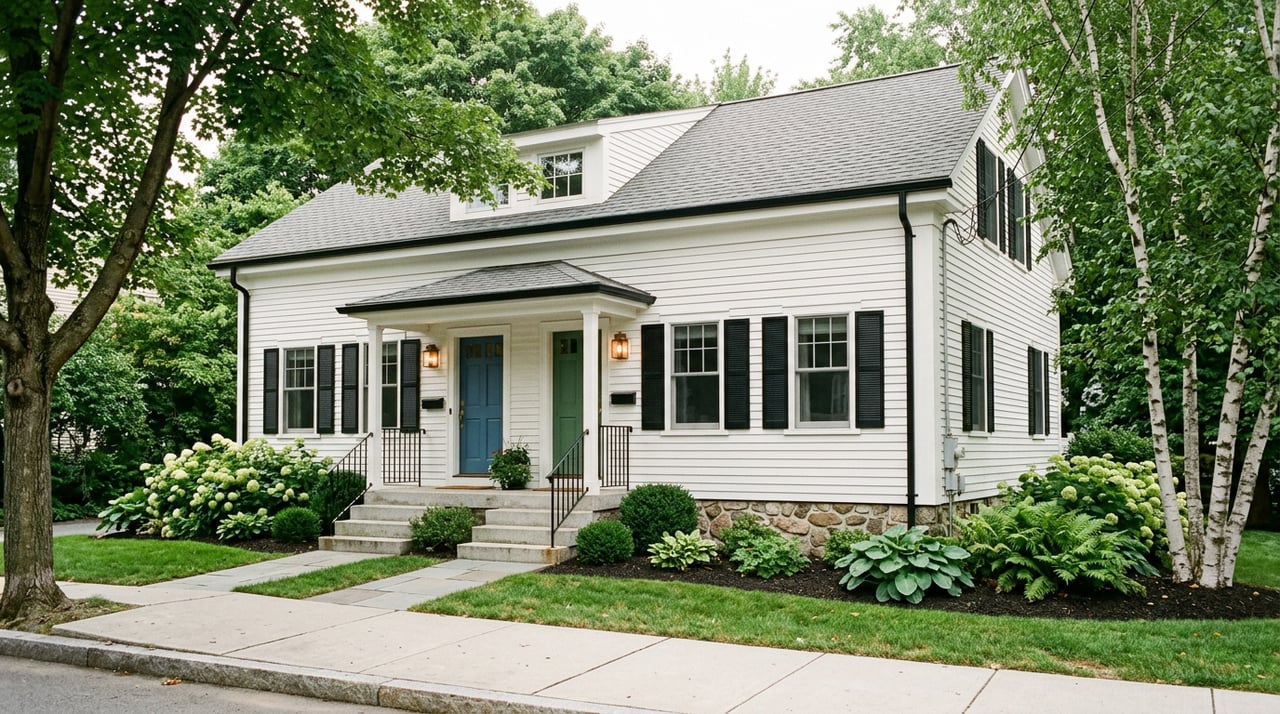
Thinking about living in one unit while the other rents help cover the mortgage? In Pittsfield, that path is realistic and often attractive for first-time investors and house-hackers. The city’s purchase prices and market rents can align well if you buy carefully and plan for local rules and upkeep.
In this guide, you will learn what typical prices and rents look like, how to evaluate a 2 to 4 unit property, the numbers that matter for returns, Pittsfield-specific rules, and financing options that can help you qualify. You will also get a simple checklist to use before you make an offer. Let’s dive in.
Pittsfield snapshot: prices, rents, demand
Pittsfield is an affordable Berkshire hub with a diverse renter base. Recent estimates place the city’s typical home value near $294,000, and many 1 to 2 bedroom rentals list around $1,390 to $1,550 per month, with larger units renting higher. Always confirm unit-level comps with current local listings before you underwrite a deal.
The city has about 43,000 to 44,000 residents and a median household income near $70,500, according to U.S. Census QuickFacts. Major employment and demand anchors include Berkshire Health Systems, Berkshire Community College, and a year-round arts and services economy. That mix supports steady rental demand from medical staff, students, and local service professionals.
City planning materials also note that a significant share of Pittsfield homes are in multi-unit buildings, which shapes policy focus and local supply. A recent community planning update highlights the area’s older housing stock and renovation needs, which are important for small multi-unit buyers to consider. You can review a local summary in the city’s CDBG planning coverage on pittsfield.com.
Bottom line: Pittsfield offers approachable price points compared with much of Massachusetts, and rents that can support entry-level house-hacking if you buy a sound property and budget correctly for expenses and reserves.
How to evaluate a 2 to 4 unit
Buying a small multi-unit is part home inspection, part paperwork check, and part operating plan. Use the checklist below with a licensed inspector and your agent.
Title and legal status
- Confirm the number of legal units. Compare current setup with past permits and assessor records. Be cautious with unpermitted conversions.
- Review deed, lot lines, and any easements that affect parking or access.
- If in doubt, verify zoning use and legal unit status before you offer. The Pittsfield Zoning Ordinance is posted on eCode360.
Structure and envelope
- Roof age and condition, gutters, chimneys, and porches. Many older Berkshires homes need porch and roof work.
- Foundation and drainage. Look for moisture at the basement and signs of settlement.
- Windows and exterior paint or siding condition.
Building systems
- Heat and hot water: identify fuel type and age of boilers or furnaces. Natural gas, oil, and electric are all common in older homes. If you are evaluating fuel conversion, consult a qualified HVAC contractor and review feasibility early.
- Electrical: panel capacity and condition. Flag knob-and-tube or older 60-amp service for upgrade budgeting.
- Plumbing: inspect supply and waste lines, and look for galvanized or lead components in older stock.
- Metering: confirm whether heat, electric, gas, and hot water are separately metered. Separate meters often reduce owner-paid utilities.
Life safety and code
- Smoke and CO alarms, proper egress, stair safety, handrails, and fire separation where required.
- For buildings with 3 or more units, Pittsfield requires periodic multi-family inspections and a Certificate of Inspection. Learn the cycle and fees on the City’s Multi-Family Inspections page.
Environmental items
- Lead paint: homes built before 1978 may contain lead. Massachusetts Lead Law imposes disclosure and deleading obligations when a child under six lives in a unit. Review the state’s guidance on the Massachusetts Lead Law and include compliance costs in your budget.
Exterior and site
- Parking: confirm off-street parking meets zoning and tenant demand.
- Walkways, steps, and site drainage.
- Check for open code violations before closing.
The money math, simplified
Small multi-unit investing comes down to realistic income and a disciplined expense plan. Here are the core terms you will use:
- Gross Scheduled Rent (GSR) = total rent at full occupancy.
- Effective Gross Income (EGI) = GSR minus vacancy and collection loss.
- Net Operating Income (NOI) = EGI minus operating expenses. This excludes mortgage principal and interest.
- Cap Rate = NOI divided by purchase price.
- Gross Rent Multiplier (GRM) = purchase price divided by annual gross rent.
- Cash-on-Cash Return = annual cash flow after debt service divided by total cash invested.
Many investors use the 50 percent rule as a quick screen, estimating that operating expenses may land near 50 percent of gross rent for small multifamily, inclusive of taxes, insurance, repairs, management, and owner-paid utilities. It is only a screening tool. Always replace it with a detailed, line-by-line budget using actual taxes, insurance quotes, utility splits, routine maintenance, and a capital reserve.
A quick Pittsfield duplex example
- Purchase price: $300,000.
- Two units at $1,500 per month each = $36,000 gross annual rent.
- Vacancy at 5 percent → EGI about $34,200.
- Expenses at 50 percent of GSR → $18,000. Replace this with your real estimates as soon as possible.
- NOI ≈ $16,200.
- Cap rate ≈ $16,200 ÷ $300,000 = 5.4 percent.
- GRM ≈ $300,000 ÷ $36,000 = 8.3.
Interpretation: A cap rate near 5 to 6 percent can be reasonable in a smaller New England market, but your return depends on unit condition, who pays utilities, and your financing. Sharpen the numbers with true local rent comps, confirmed utility splits, and quotes for insurance and taxes.
Pittsfield rules to know before you bid
Understanding local rules up front helps you price offers and time renovations.
Zoning basics for small multis
- Two and three family dwellings are permitted by right in many residential districts. Always verify the parcel’s zoning and dimensional standards in the City’s Zoning Ordinance.
- Confirm that the building is legal as configured. Look for past permits and approvals that match the current unit count.
City inspections and registrations
- Multi-family inspections: Buildings with 3 or more units require periodic inspections and a Certificate of Inspection. Review timing, scope, and fees on the City’s Multi-Family Inspections page. Budget for any required corrections.
- Non-owner-occupied registration: Pittsfield requires annual registration of non-owner-occupied residential properties with the Health Department. See the City’s registration FAQ and complete this step after purchase to avoid fines.
Short-term rentals
- Short-term rentals are regulated. Pittsfield’s ordinance limits non-owner and owner-occupied activity, sets a 150-day annual limit, caps the number of units per owner by default, and requires registration with the City Clerk and the Massachusetts DOR. Read the City’s Short-Term Rental amendment before assuming STR income.
Massachusetts landlord laws that affect costs
- Security deposits: Massachusetts requires strict handling, interest-bearing accounts, and specific disclosures. Mishandling can trigger penalties. Review best practices summarized in this Massachusetts landlord law guide and consult qualified counsel for specifics.
- Evictions: Notices to quit and court procedures must follow state law. Build timeline and legal costs into your risk planning.
- Lead law: As noted above, pre-1978 properties carry disclosure and potential deleading obligations under the Massachusetts Lead Law.
Financing options for 2 to 4 units
Financing rules vary by lender, so speak with an FHA-approved lender or local bank early. Here are common paths for owner-occupants and small investors.
FHA for owner-occupants
- FHA can finance 1 to 4 unit properties when you will live in one unit. Minimum down payments can be as low as 3.5 percent for eligible borrowers.
- Lenders commonly allow about 75 percent of market rent from the other units to count toward qualifying income. See an overview of rental income treatment in this FHA rental income guide.
- For 3 and 4 unit properties, FHA applies a self-sufficiency test. The appraiser’s market rent for all units, minus a vacancy or maintenance allowance, must cover the monthly principal, interest, taxes, and insurance. For current underwriting language, review HUD Handbook 4000.1 references in this FHA policy document and confirm details with your lender.
VA and conventional
- Eligible veterans can use VA loans on 1 to 4 unit owner-occupied properties, often with no down payment. Terms and reserves vary by lender.
- Conventional loans and local portfolio lenders finance small multis for both owner-occupants and investors. Expect higher down payments for non-owner-occupied loans and different underwriting tests.
Documentation and reserves
- Be ready with leases or an appraiser’s small residential income schedule, proof of legal unit status, and reserve funds. Many lenders want several months of reserves for 3 to 4 unit purchases.
Neighborhood tradeoffs to consider
Pittsfield offers a mix of in-town convenience and quieter residential streets. Match the location to the tenant profile you want and your own lifestyle if you plan to live on site.
- Downtown and walkable areas: More access to restaurants, shops, arts, and services. Units may be smaller and in older buildings that need more renovation. These locations can attract renters who value convenience and shorter commutes.
- Quieter residential streets: Often larger units, on-site parking, and more space. Rents may be lower on a per-unit basis, and marketing may take longer. For owner-occupants, these streets can offer comfortable day-to-day living.
Whichever you prefer, compare sales and rent comps within a 5 to 15 minute radius and stick to similar building types. That way your underwriting reflects what the market will actually support.
Before you write an offer
Use this quick checklist to stay on track:
- Confirm legal unit count, zoning district, and any special permits required. Start with the Zoning Ordinance.
- Pull the City’s multi-family inspection history for 3 or more unit buildings and price any required corrections. See Multi-Family Inspections.
- Plan for the Health Department’s non-owner-occupied registration. See the registration FAQ.
- If you are eyeing any short-term rental use, read the City’s STR rules and run a conservative income case.
- Get a full home inspection and quotes for any system upgrades. Budget a capital reserve for roof, heating, and electrical work common in older homes.
- Build a line-by-line operating budget. Include taxes, insurance, utilities you will pay, maintenance, turnover, property management, and reserves.
- Talk to an FHA-approved lender or local bank for a pre-underwrite, especially if you are exploring FHA self-sufficiency on 3 to 4 unit properties.
Ready to explore a duplex, triplex, or four-unit in Pittsfield with confidence? Connect with a local advisor who understands the properties, the neighborhoods, and the City process. If you want a thoughtful plan and steady guidance from search to closing and beyond, reach out to Diane Thorson to Schedule a consultation.
FAQs
What are typical prices and rents for small multis in Pittsfield?
- Recent local estimates put the typical home value near $294,000, and many 1 to 2 bedroom rentals list around $1,390 to $1,550 per month, with larger units renting higher. Always verify with current comps before you buy.
What inspections and registrations does Pittsfield require for 3 or more units?
- The City conducts periodic multi-family inspections for 3 plus unit buildings and issues Certificates of Inspection, and it requires annual Health Department registration for non-owner-occupied properties.
How does Pittsfield zoning treat two and three family homes?
- Two and three family dwellings are permitted by right in many residential districts, but you should confirm the property’s zoning district, parking rules, and dimensional standards in the Zoning Ordinance before you offer.
How do FHA loans work for 2 to 4 unit purchases?
- FHA allows low down payment financing for owner-occupants, typically counts about 75 percent of market rents from other units for qualifying, and requires a self-sufficiency test on 3 and 4 unit properties.
Are short-term rentals allowed in Pittsfield small multis?
- Short-term rentals are regulated, with registration required, a 150-day annual cap in many cases, and a default limit on the number of units per owner, so review the ordinance before planning STR income.
What Massachusetts landlord laws should I know before buying?
- Security deposits must follow strict state rules, the eviction process requires proper notice and court procedures, and pre-1978 homes have specific obligations under the Massachusetts Lead Law.