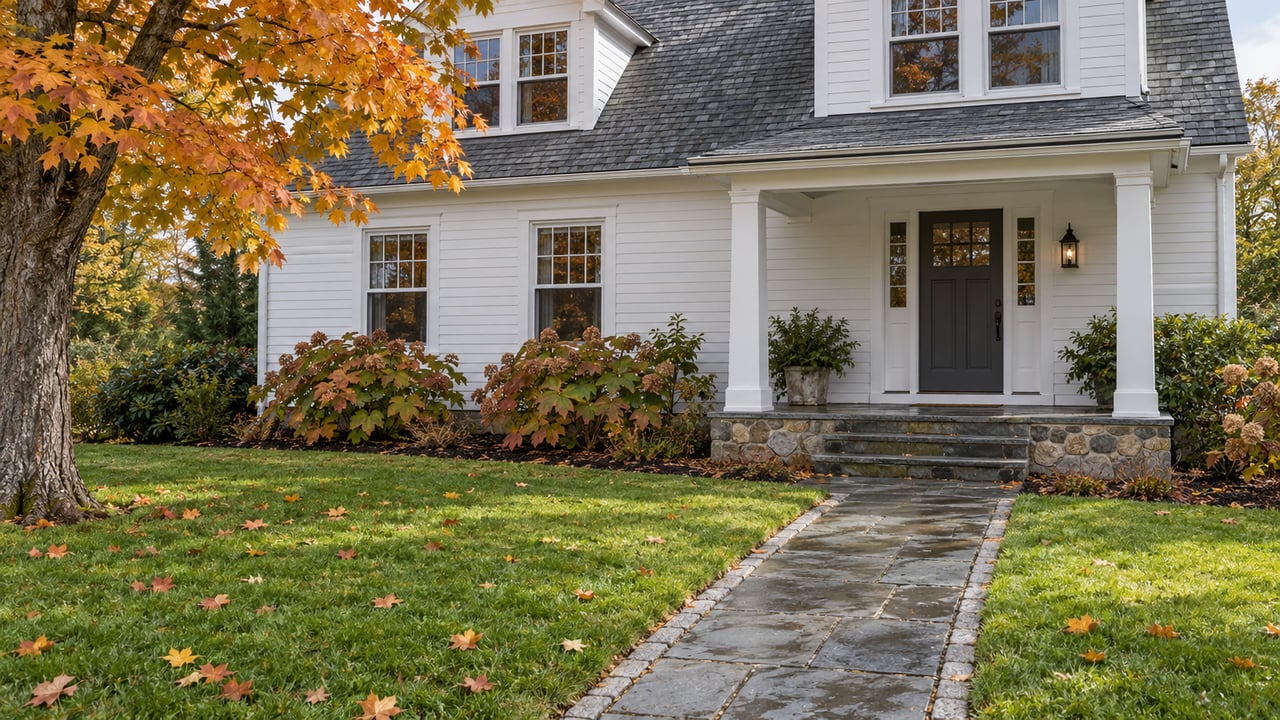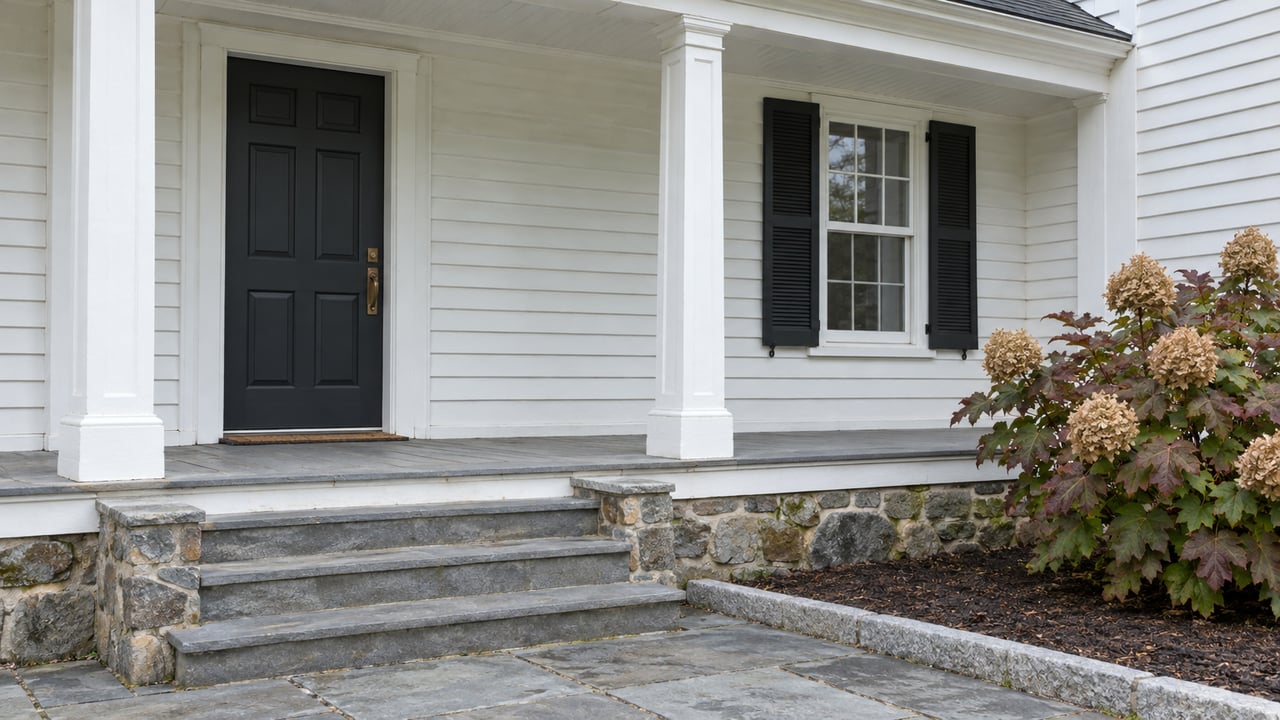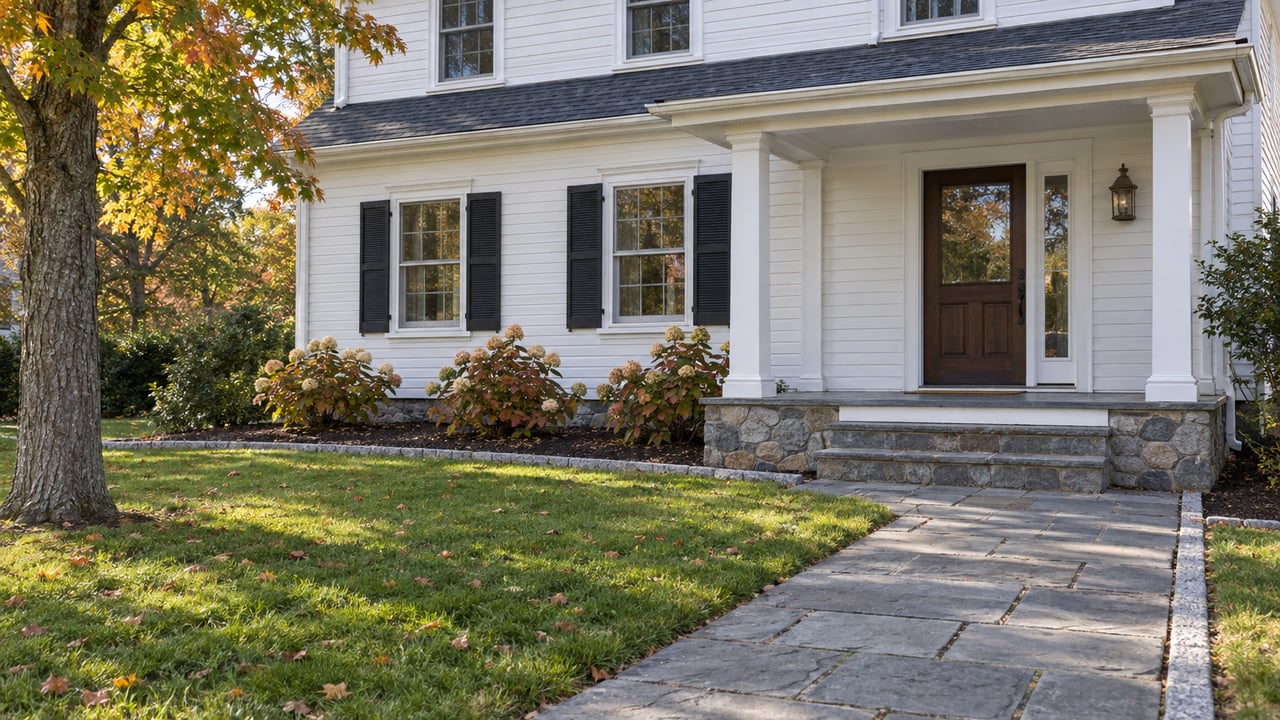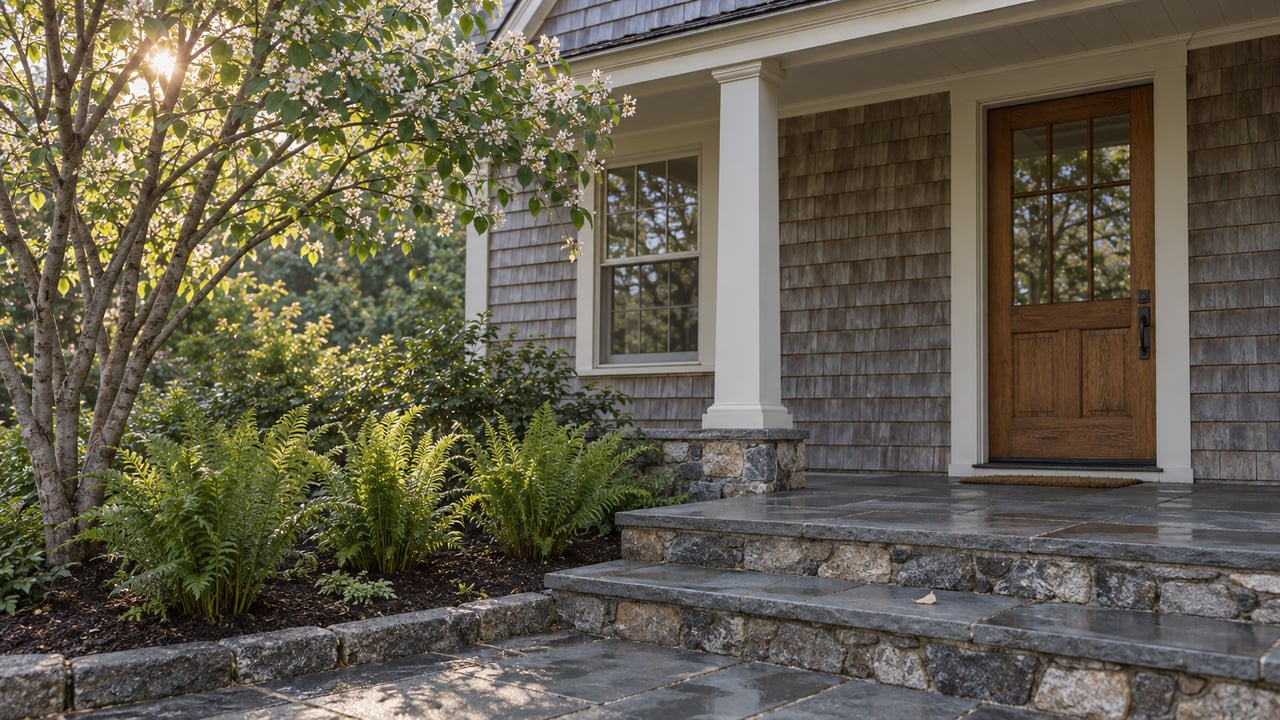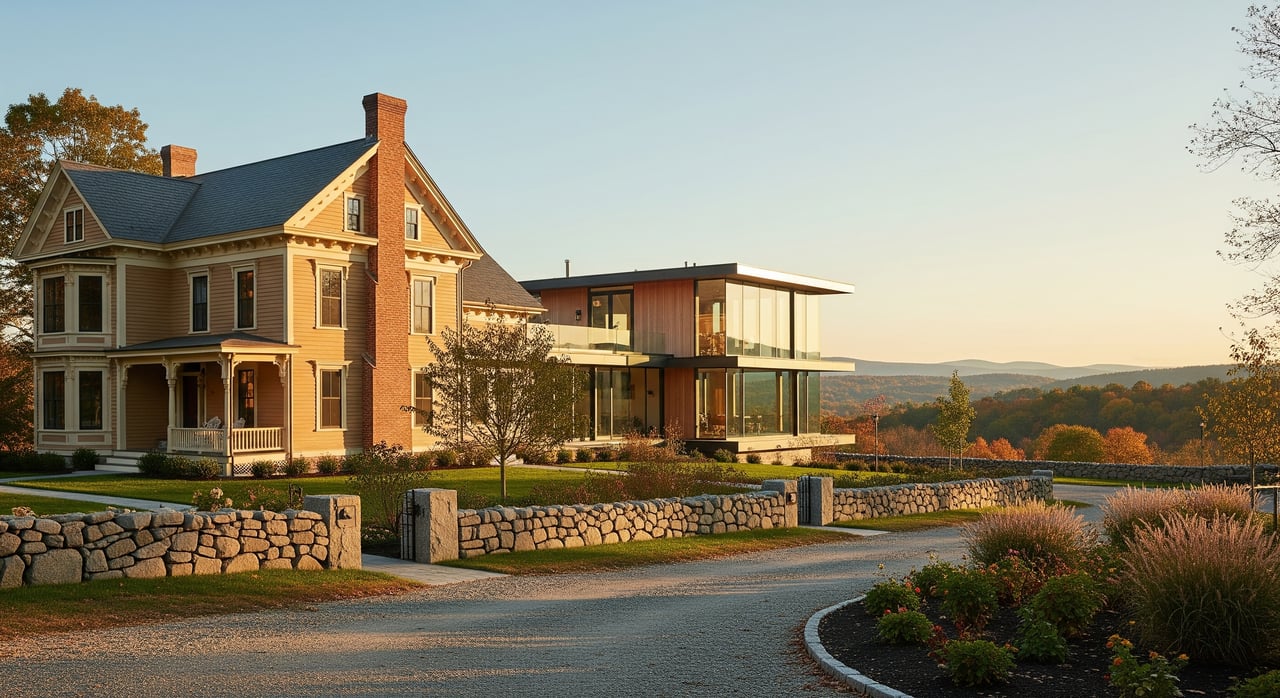
Choosing between a stately Victorian and a turnkey newer build in Adams can feel like choosing between character and convenience. You want a home that fits your lifestyle, budget, and long-term plans without surprises. In this guide, you’ll learn how historic and newer homes in Adams compare on layout, energy use, maintenance, regulations, and total cost of ownership so you can decide with confidence. Let’s dive in.
Adams housing at a glance
Adams offers a classic Berkshire mix of late-19th and early-20th-century homes alongside newer construction. You will see Victorian, Colonial, Craftsman, and Cape styles near town, with newer builds often in small developments or on the outskirts. Many buyers choose Adams for its historic architecture, small-town downtown, outdoor access, and relative affordability compared with some nearby communities.
Historic homes: what you get
Character and layout
Older homes often deliver original millwork, hardwood floors, high ceilings, and architectural details like porches and stained glass. Floor plans can be more compartmentalized, with separate rooms instead of open-concept spaces. If you love authenticity and craftsmanship, this may be your sweet spot.
Systems and materials
Expect a wider range of legacy systems and materials. Some older homes may have single-pane windows, knob-and-tube or lower-capacity electrical, and older plumbing types, while others have been upgraded over time. Roofs, boilers, furnaces, and water heaters each have typical life spans, so knowing ages and replacement history is essential.
Maintenance and costs
Historic homes typically require more routine care. A common planning guideline is setting aside 1% to 4% of the home’s value each year for maintenance and small repairs. Large projects such as roof work, HVAC replacement, or sensitive restoration can add up, especially if you aim to preserve original details.
Rules and permits
If a property sits in a local historic district or has a preservation designation, exterior changes may require design review. This can affect timelines and allowable materials for renovations. Always confirm any historic status through the town and the local historical commission before you plan changes.
Newer homes: what you get
Layout and livability
Newer homes in Adams often feature open floor plans, larger closets, and attached garages. You may also find wider doorways and fewer steps in some builds, which can help with long-term accessibility. Fit and finish can be more standardized compared with historic properties.
Energy and operating costs
Homes built to modern energy codes typically have better insulation, tighter envelopes, and more efficient systems. That usually translates to lower heating and cooling bills compared with similarly sized older homes. An energy assessment can identify further savings opportunities in either home type.
Maintenance and warranties
Newer construction often has fewer near-term capital needs. You may benefit from builder or manufacturer warranties on major systems and components. While no home is maintenance-free, the first decade can be more predictable for budgeting.
Side-by-side: which fits you?
- Choose a historic home if you value original details, higher ceilings, and classic architecture, and you are comfortable with periodic upkeep.
- Choose a newer home if you want open layouts, modern systems, and lower near-term maintenance.
- Consider your day-to-day lifestyle. If you host often, an open kitchen and living area may matter more than ornate trim. If authenticity and craftsmanship bring you joy, a historic floor plan and materials may be worth the tradeoff.
Energy costs in Berkshire winters
Pre-1970s homes often have less insulation and more air leakage, which can raise heating costs. Newer homes and recently upgraded properties typically perform better. In Massachusetts, programs like MassSave offer home energy assessments and incentives for insulation, air sealing, and heating upgrades that can reduce annual utility costs in both older and newer homes.
Total cost of ownership
Looking beyond the list price helps you compare apples to apples.
- Purchase price
- Property taxes
- Mortgage interest and loan costs
- Insurance premiums
- Utilities, including heating and electricity
- Routine maintenance reserve
- Periodic capital replacements, such as roof, HVAC, and windows
- HOA or common charges, if applicable
- Planned renovation or upgrade budget
Quick example
On a $200,000 home, a 1% to 4% annual maintenance reserve equals $2,000 to $8,000. For big-ticket items, annualize the cost. If a $10,000 roof is 10 years away, plan an extra $1,000 per year. Apply this to HVAC, water heater, and windows based on age and expected life.
How to compare two Adams homes
- Gather ages and service records for roof, heating, cooling, water heater, electrical, and windows.
- Review seasonal utility bills for both properties, adjusted for square footage.
- Estimate annual maintenance at 1% to 4% of price, using the higher end for older homes.
- Annualize upcoming replacements based on remaining life.
- Add it all up to see your projected yearly cost side by side.
Smart questions for showings
What to ask the seller or agent
- What year was the home built, and when were major systems last replaced or upgraded?
- Is the property subject to any local historic-district review or preservation rules for exterior changes?
- Are recent utility bills available for comparison?
- Has there been lead-paint or asbestos abatement, and are any warranties in place?
- Are there transferable warranties on the roof, HVAC, or appliances?
- Have there been insurance claims or known water or structural issues?
What to scan during a walkthrough
- Roof condition, visible sagging, missing shingles, and patching
- Gutters and grading to confirm water drains away from the foundation
- Exterior paint, siding, porches, and trim for peeling or rot
- Windows and storm windows, and the condition of frames
- Layout, bedroom count, storage, and flow for your daily needs
- Basement moisture signs, such as staining or odors
- Location factors like proximity to downtown amenities and lot orientation
Lifestyle and future-proofing
- Stairs, doorways, and levels compared with long-term mobility
- Yard size, tree care, and outdoor maintenance requirements
- Preference for authenticity versus low-maintenance finishes
Financing, insurance, and resale
Renovation-friendly mortgages, such as FHA 203(k) and Fannie Mae HomeStyle, can help finance updates, subject to lender and property eligibility. Insurance costs can vary by age, wiring type, heating fuel, and roof condition, and some older systems may require upgrades for standard coverage. Resale depends on buyer preferences in the local market, with historic character appealing to some and move-in-ready modern layouts appealing to others.
Local resources to tap
- Town of Adams Assessor and Building or Zoning Departments for property records and district maps
- Adams Historical Commission for guidance on historic status and exterior changes
- Massachusetts Historical Commission for state-level preservation programs
- MassSave for home energy assessments and incentives
- Berkshire County Registry of Deeds for title and transaction history
- Local insurance agents and licensed contractors for quotes and scope planning
Your next step
Whether you are leaning toward a porch-front Victorian near town or a newer build with an open kitchen and attached garage, a clear cost and lifestyle comparison will help you buy with confidence. If you would like local, hands-on guidance and referrals to trusted pros, connect with Diane Thorson for a friendly, personalized plan that fits your goals. Ready to explore Adams homes with a clear roadmap? Schedule a consultation with Diane Thorson.
FAQs
What defines a historic home in Adams, MA?
- Historic homes are typically older properties with period architecture, and some may be within a local historic district that reviews certain exterior changes.
How much more do older homes cost to maintain?
- A common planning range is 1% to 4% of the home’s value per year, with the higher end more likely for older or detail-rich properties.
What programs can lower energy bills in Massachusetts homes?
- MassSave offers energy assessments and incentives for insulation, air sealing, and heating upgrades that can reduce annual utility costs.
Can I change the exterior of a historic home in Adams?
- If the home is in a local historic district or subject to preservation rules, some exterior changes may require design review and approval.
What financing options exist for fixer-uppers in Massachusetts?
- Renovation loans such as FHA 203(k) and Fannie Mae HomeStyle may be available, depending on lender guidelines and property condition.
How do I compare utility costs between two Adams homes?
- Request recent seller-provided bills for both properties, adjust for square footage, and pair that with an energy assessment to estimate savings potential.