Listing your Lee cottage in the heart of a Berkshire winter? You are meeting some of the most motivated buyers of the year, but shorter days, snow, and chilly temps mean presentation matters even more. With the right lighting, a welcoming entry, safe paths, and smart photo strategy, you can make your home feel warm and practical. Here is how to stage for winter buyers in Lee and tell a compelling story online. Let’s dive in.
Why winter buyers in Lee are different
Winter buyers often have clear timelines tied to relocation or financing, and they tend to be serious about making a decision. You may face fewer competing listings, yet exterior curb appeal and natural light are limited. That is why it pays to emphasize warmth, cleanliness, and safety throughout your staging and photos.
Lee sits in the Berkshires, so plan for cold temperatures, snow or sleet, and limited daylight. These conditions affect when you book photos, how you prepare walkways, and how comfortable the home feels during showings. If you have questions about snow or sidewalk rules, confirm responsibilities with Town Hall or the town’s website so you keep access clear and buyers safe.
Light, warmth, and comfort indoors
Use layered lighting and the right bulbs
Layered light makes rooms feel larger and more welcoming. Blend ambient light from overhead fixtures with task lighting on counters or desks and accent light from lamps or sconces. This reduces shadows and gives your photographer more to work with on a gray day.
Choose warm-white bulbs around 2700–3000 K for living spaces to create a cozy feel. In kitchens and baths, 3000–3500 K can offer a clean look without going cold. Replace stained shades, clean fixtures, and use LED bulbs at a solid brightness level, such as a 60 W equivalent. If you have dimmers, set a comfortable level before each showing.
Maximize natural light during the brightest part of the day. Open curtains and blinds for showings, and schedule photos for late morning to early afternoon when possible. A clear day is ideal, but consistent interior lighting still wins on cloudy days.
Create cozy without cranking the heat
Aim for a stable, comfortable indoor temperature, typically 68–72°F. Large swings make buyers wonder about drafts or insulation. Keep the home warm and even, especially in rooms above garages or over crawl spaces.
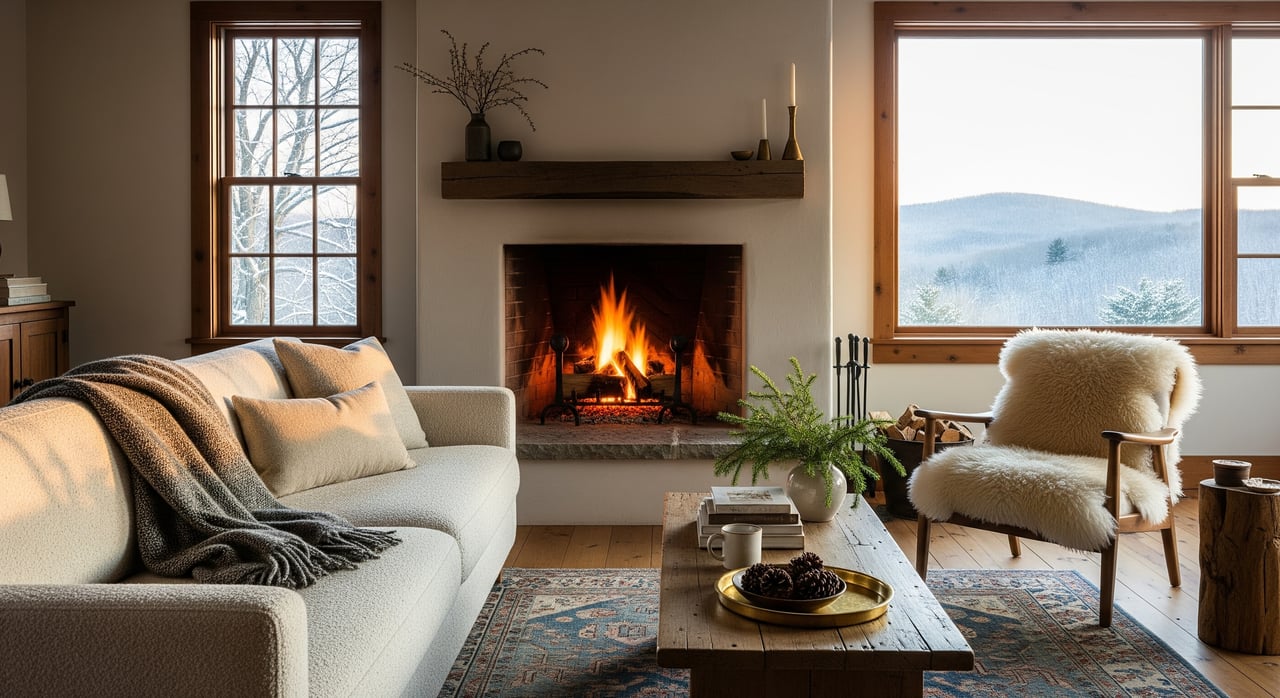
Add visual warmth with neutral textiles, like plush throws, layered bedding, and area rugs that soften hard floors. If you have a fireplace, you can light it for showings when safe and permitted by your insurer and agent, or style the firebox neatly with stacked logs. Keep scents light and neutral. Fresh linens and a subtle clean citrus note are safe choices, while heavy fragrances or food smells can distract.
Stage the mudroom and entry to shine
Your mudroom or entry is the first touchpoint for winter buyers. Keep it clutter-free and clearly functional. Store off-season or extra items elsewhere and display only a few coordinated coats and shoes so storage looks generous.
Add practical pieces that read as organized living. A boot tray, wall hooks at a comfortable height, and a bench with hidden storage show where hats and gloves belong. Choose an absorbent mat that looks clean and handles snowmelt, and secure runners to prevent slips. If there is a connected laundry area, show a tidy drying zone so buyers see how the home handles wet gear.
Answer common winter concerns upfront
Reassure buyers with visible maintenance and simple notes. Place recent furnace or boiler service records where buyers or their agents can see them. If you have zones or a newer system, mention that in your listing highlights or a small feature sheet on the counter.
Keep bathrooms and basements dry and well ventilated. Use dehumidifiers where needed and test exhaust fans so there is no condensation. If you have weatherstripping, storm windows, or insulated doors, make them visible and call them out in your marketing copy. These details tell buyers your cottage stays comfortable when the temperature drops.
Safe, inviting curb appeal in winter
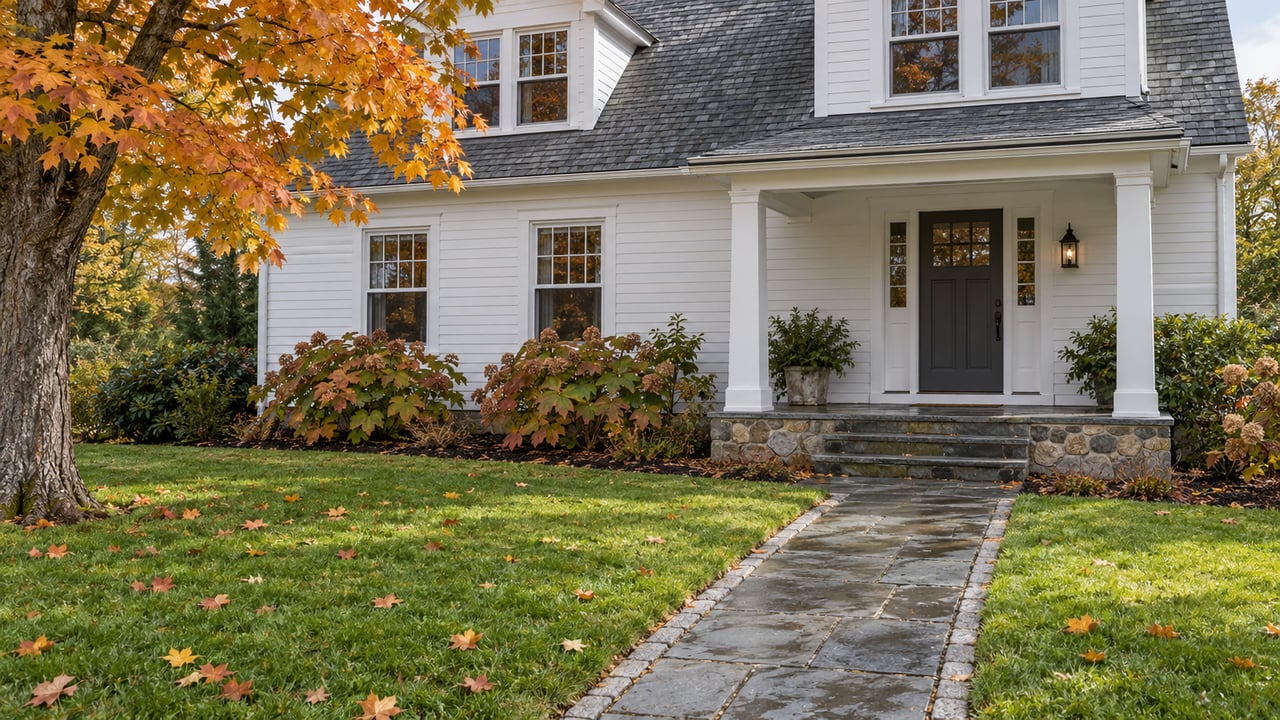
Maintain one clear, safe path
Choose a primary route from driveway or street to the front door and keep it fully cleared. A single well-shoveled, salted or sanded path is better than several half-cleared ones. Time your effort before each showing and re-treat any melt-and-refreeze spots, especially for evening appointments.
Use traction and deicers with care. Rock salt can work but may harm plants and some surfaces if overused. Calcium chloride or magnesium chloride work at lower temperatures but cost more. Sand or grit adds traction without chemicals and can be helpful on walkways. Always follow product labels and protect nearby plantings when landscaping is a selling point.
Look up and around. Remove icicles above entries and clear slushy puddles on steps so nothing looks neglected or unsafe. If snowbanks block your house numbers or line of sight to the front door, move or compact them so buyers can find you easily.
Make the entry bright and welcoming
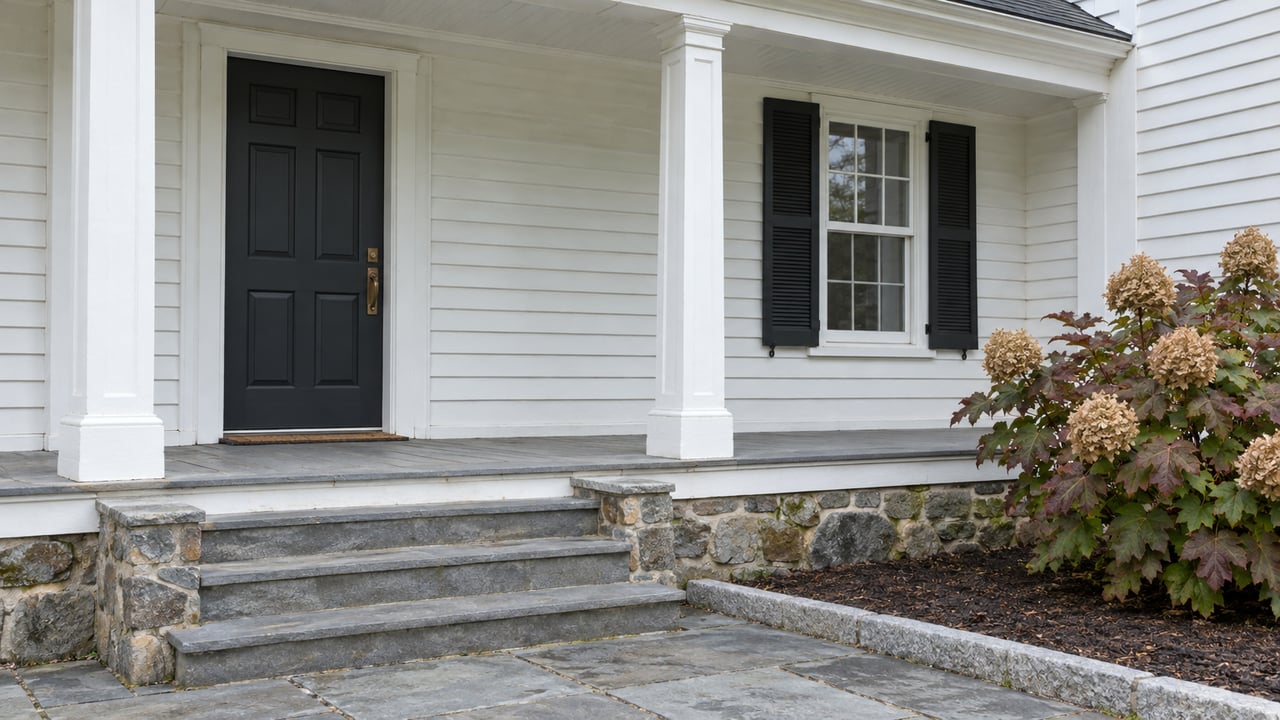
Replace or clean porch lights and use warm-tone bulbs that match your interior color temperature. Add subtle, low-level path lights to help at dusk. Keep it simple on decor: a clean mat, a tasteful wreath, a couple of stacked logs, and a small bench or pair of chairs if space allows. Avoid wet boots, soggy mats, or clutter in photos and at showings.
Make sure parking is obvious and cleared. If a garage or side entrance is a selling point, keep those access points plowed and sanded too. Clear house numbers help visitors and delivery drivers, which buyers will notice.
Keep landscaping tidy and seasonally smart
Trim visible shrubs and remove dead annuals so beds look cared for. A pair of winter-hardy potted evergreens can add life without feeling holiday-specific. If you decorate seasonally, keep it minimal and remove personal decor before professional photos for a timeless look.
Winter-ready photos and listing sequence
Time your shoot and choose the right shots
Plan interior photos for late morning to early afternoon on a clear day when possible. Open blinds and curtains to bring in daylight. If the weather is gray, your photographer can use balanced lighting and HDR techniques to capture detail without harsh contrasts.
For exteriors, consider both a daytime shot and a twilight or blue-hour image. Daytime shows cleared paths and easy access. Twilight highlights warm interior light and glowing entry fixtures, which is especially compelling in winter when dusk comes early. Make sure paths are clear in both sets.
Sequence your gallery to tell a warm, practical story:
- Hero interior room with layered light, often the living room or a bright kitchen.
- Kitchen with clear counters, bright task lighting, and one styled surface.
- Primary bedroom with clean, layered bedding and soft textures.
- Living and dining spaces that show flow and warmth.
- Mudroom or entry staged to handle winter gear.
- Bathrooms that are spotless and well lit.
- Functional details such as laundry or mechanicals if they are selling points.
- Daytime exterior with a clearly maintained walkway and visible house numbers.
- Twilight exterior showing inviting interior and exterior lights.
- A nearby scenic Berkshire shot when relevant.
Include wide-angle views for context and a few closeups for special features like cubbies, mantle details, or hardware. Keep staging consistent so your listing reads as cohesive from first image to last.
Ask for professional technique without the tech talk
A real estate photographer who understands HDR and exposure bracketing can balance bright windows with darker corners. Ask for modest edits that correct brightness and white balance without going overly warm or artificial. The goal is to match what buyers will feel in person.
Lean on virtual tours and floor plans
Out-of-town and relocation buyers often lean on virtual tours and floor plans in winter. Make sure your tour shows the same cleared walkways and tidy entry you present in still photos. Consistent details across media build trust before the first in-person visit.
Practical prep timeline
2–4 weeks before listing
- Service the heating system and gather service records for easy display.
- Repair or replace burned-out bulbs inside and out and clean fixtures and shades.
- Declutter and organize the mudroom or entry; purchase a boot tray, hooks, and a storage bench if needed.
- Schedule a professional cleaning and interior window washing.
- Book a real estate photographer for a clear-day slot.
1 week before listing and photos
- Deep clean and remove salt stains from hard floors and carpets.
- Stage with throws and neutral, easy-to-open curtains that let in light.
- Tidy the exterior and relocate snowbanks to reveal the walkway and house numbers.
- Check mailbox and address visibility; add a temporary contrasting number plate if needed.
Day of photos and showings
Open curtains and turn on all layered lighting.
Clear the path, porch, and any slush; re-treat for ice as needed.
Set the thermostat to a comfortable temperature well before visitors arrive.
Put away cleaning supplies, pet items, personal photos, and medications.
Ongoing during winter showings
- Keep a simple show kit near the door: shovel, deicer, absorbent mats, paper towels, and a broom.
- Re-treat for ice and freshen the entry before each showing.
- Maintain a neat mudroom and consistent staging each day the home is active.
Ready to list? Get local, high-caliber guidance
Winter can be a powerful time to sell your Lee cottage when your presentation feels warm, safe, and well organized. With hyperlocal Berkshire insight and premium marketing tools, your listing can reach serious buyers near and far. If you want help tailoring this plan to your home, premium photography, and a cohesive listing story from first photo to final showing, connect with Diane Thorson to schedule a consultation.
FAQs
What temperature should I set for winter showings?
- Keep it comfortable and consistent, typically in the 68–72°F range, so buyers feel at ease and do not notice drafts or uneven heating.
Which light bulbs make rooms feel warm in photos?
- Use warm-white LED bulbs around 2700–3000 K in living areas, and 3000–3500 K in kitchens and baths for a clean but not cold look.
How should I handle snow and ice before each showing?
- Maintain one clear, well-shoveled path to the main entry and treat melt-and-refreeze spots shortly before showings, especially at dusk.
What deicer is safest for walkways and landscaping?
- Use products as labeled; rock salt can be harsh on plants and some surfaces, while calcium or magnesium chloride work at lower temps. Sand adds traction without chemicals.
Should I light the fireplace for photos and showings?
- Yes if it is safe and permitted by your insurer and agent. Otherwise, style the firebox neatly with stacked logs for a cozy visual cue.
What photo should lead my winter listing?
- Start with your brightest, most inviting interior room, then show kitchen, primary bedroom, living spaces, mudroom, baths, and exteriors, ending with a twilight shot for warmth.